Traditional Mythology
Greek Mythology
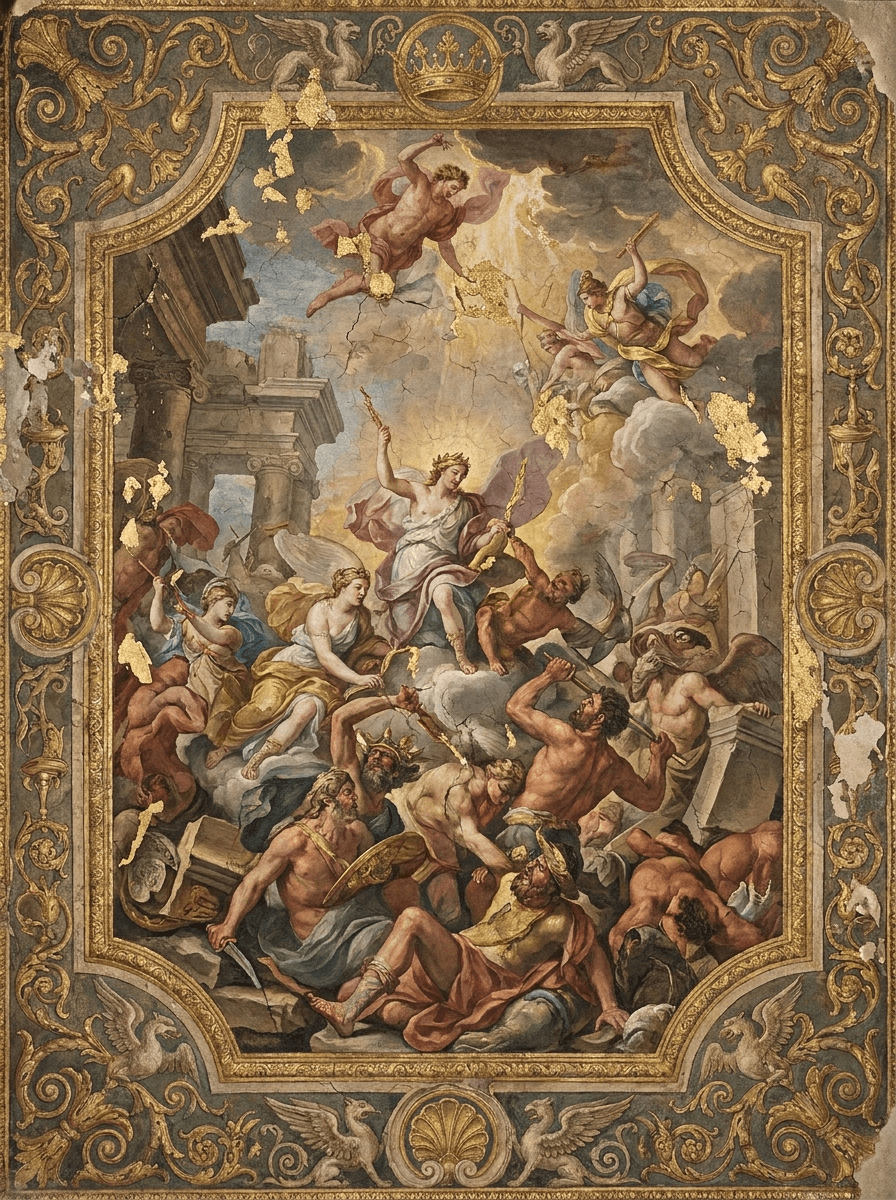
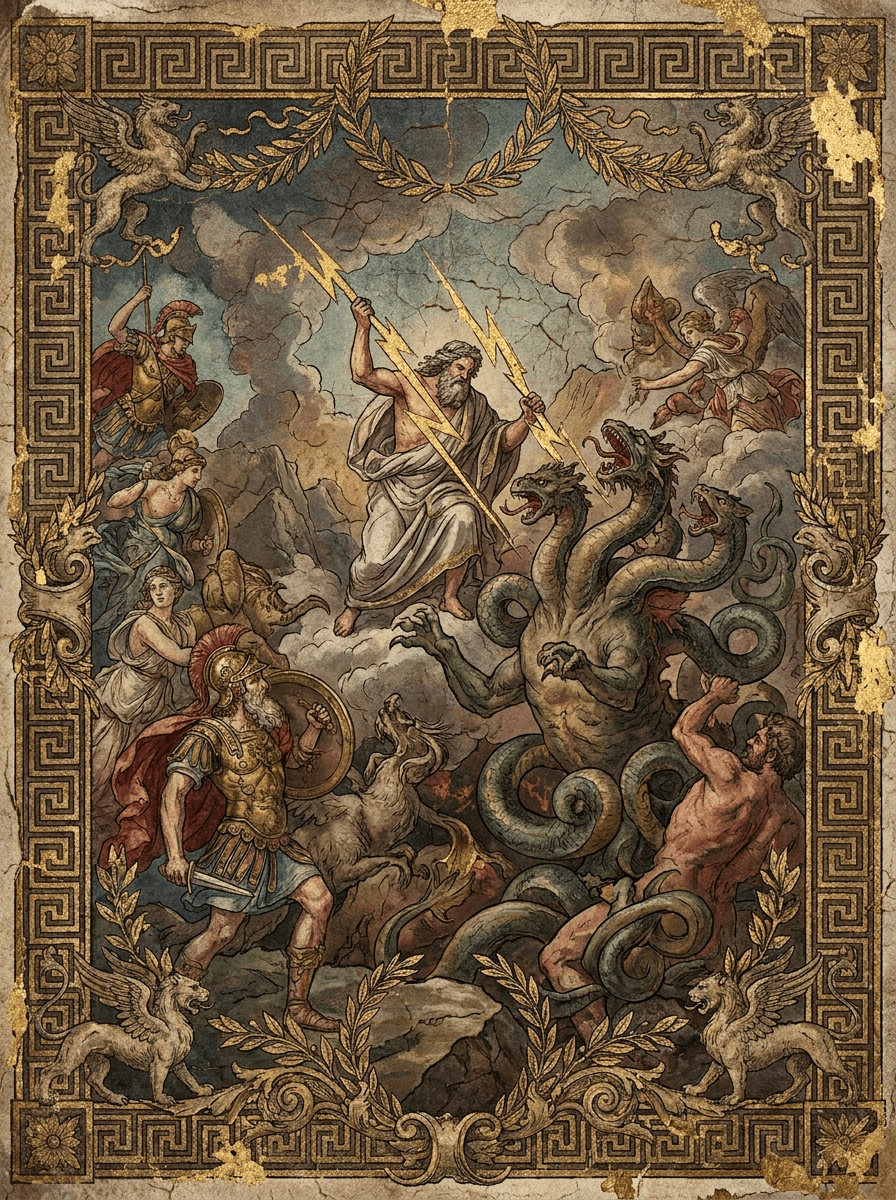
“The mythological legacy inherited by the ancient Greeks revolves around the Olympian gods, heroic figures like Heracles and Odysseus, and mythic sagas such as the Titanomachy.”
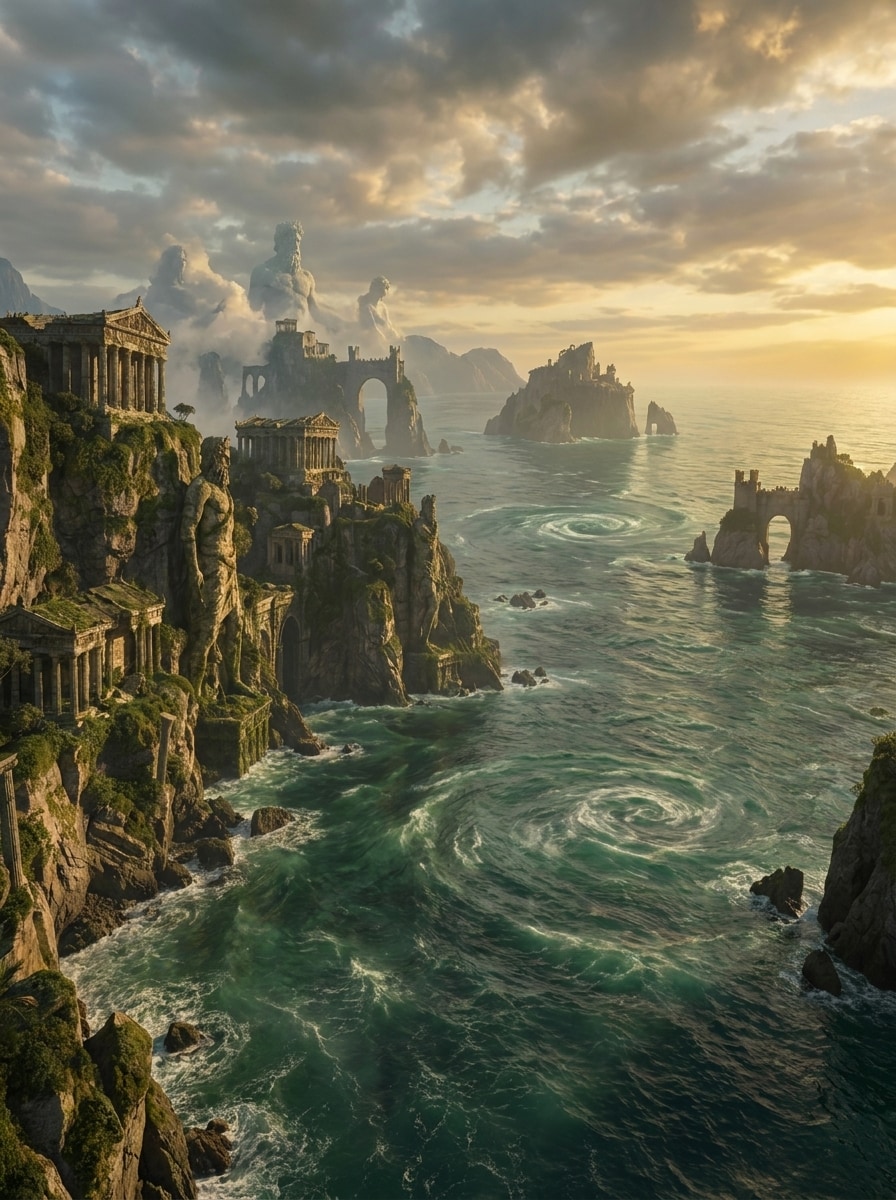
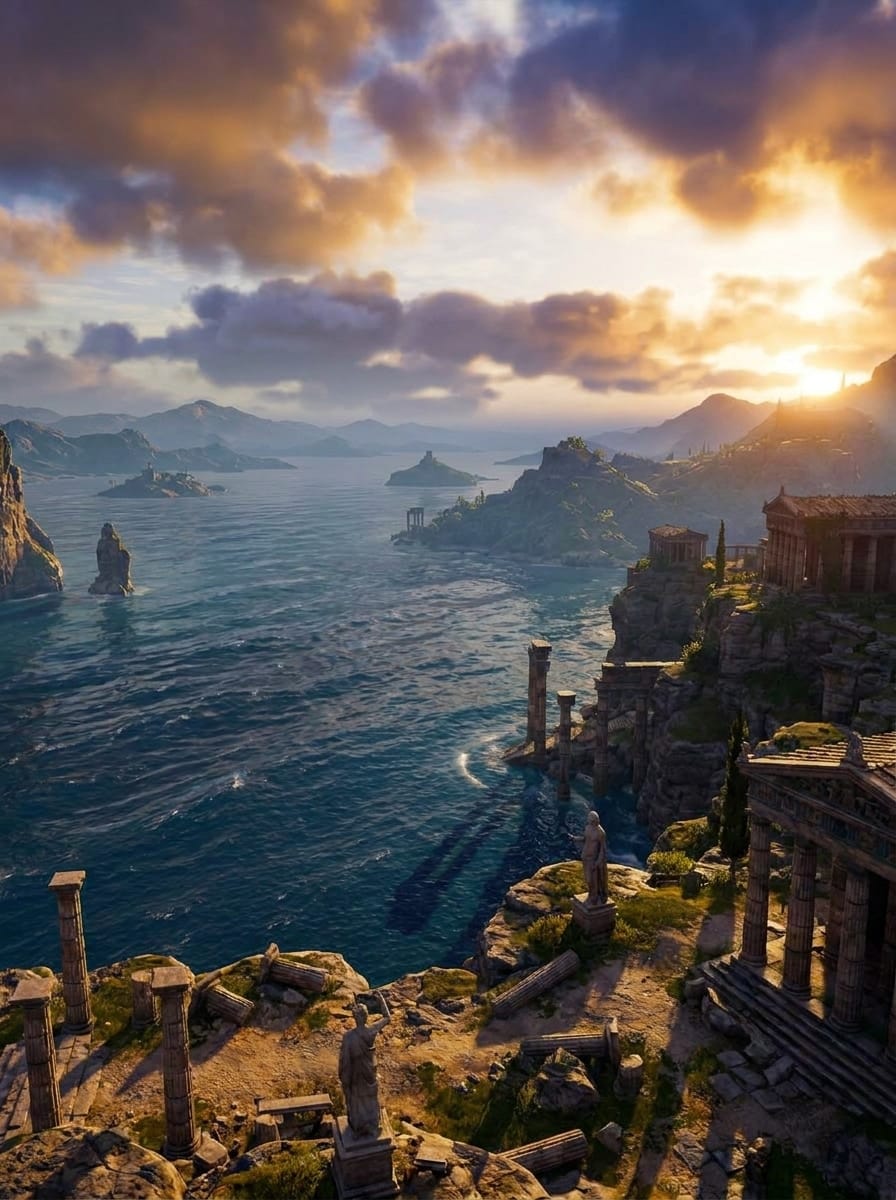
Greek mythology encompasses the corpus of myths and sacred narratives forged in the ancient Hellenic world. It weaves together tales of the creation of the cosmos, the reign of the Olympian gods, the wars between Titans and giants, and the legendary deeds of mortal heroes—whose choices lay bare the values and anxieties inherent to human existence.
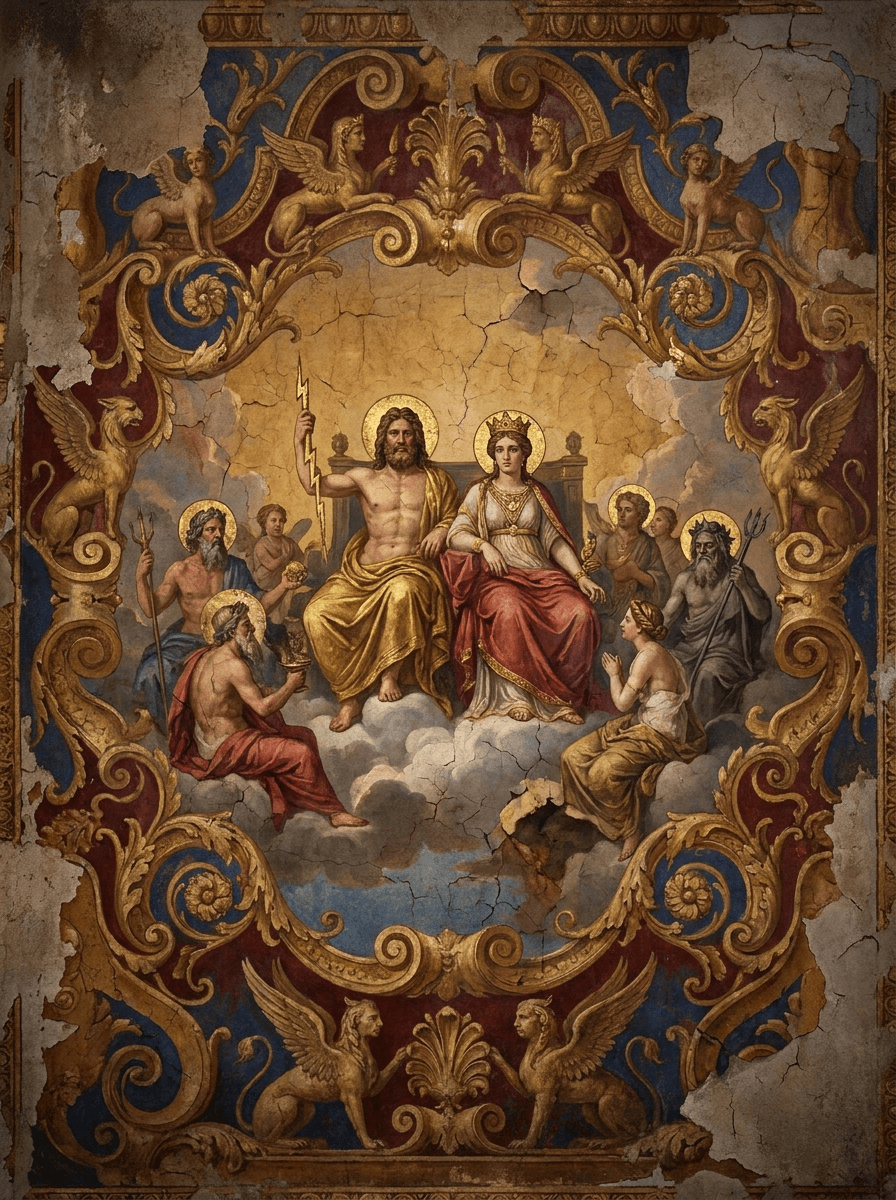
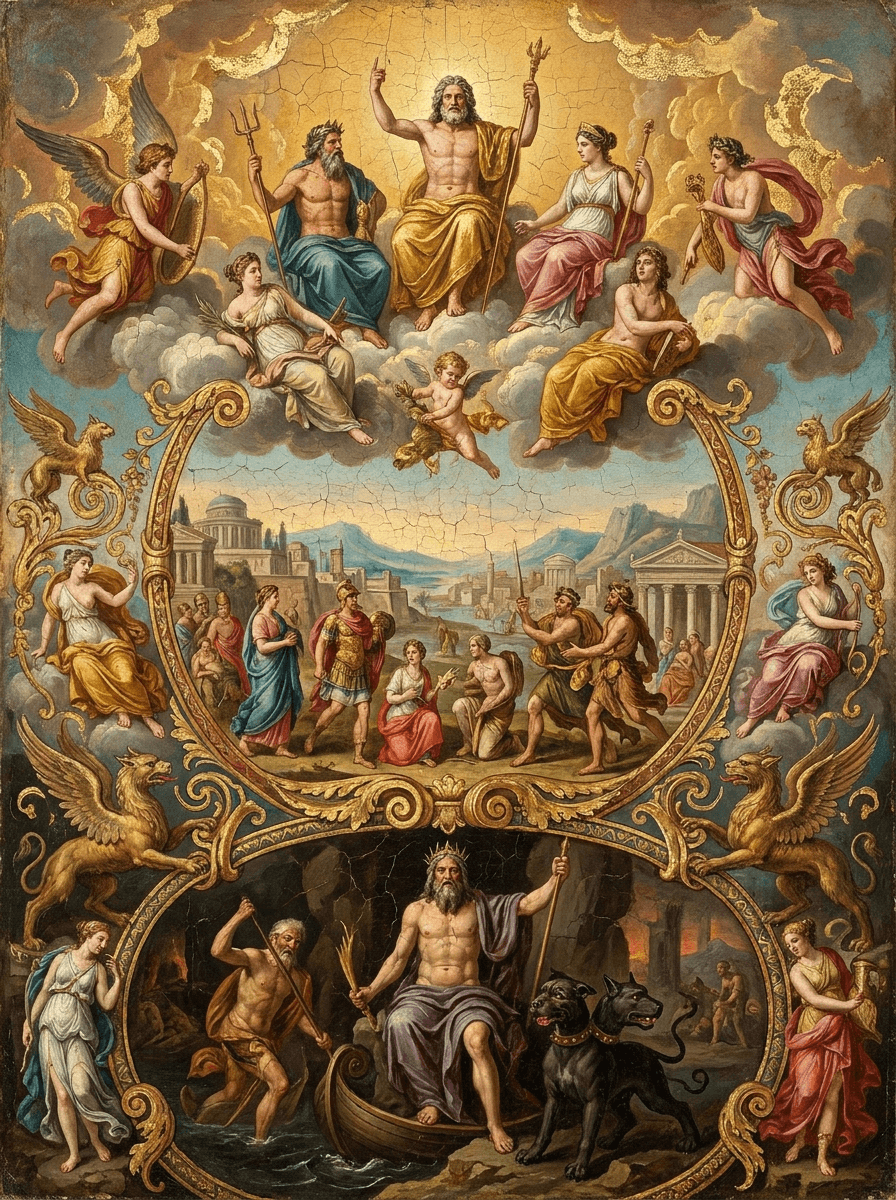
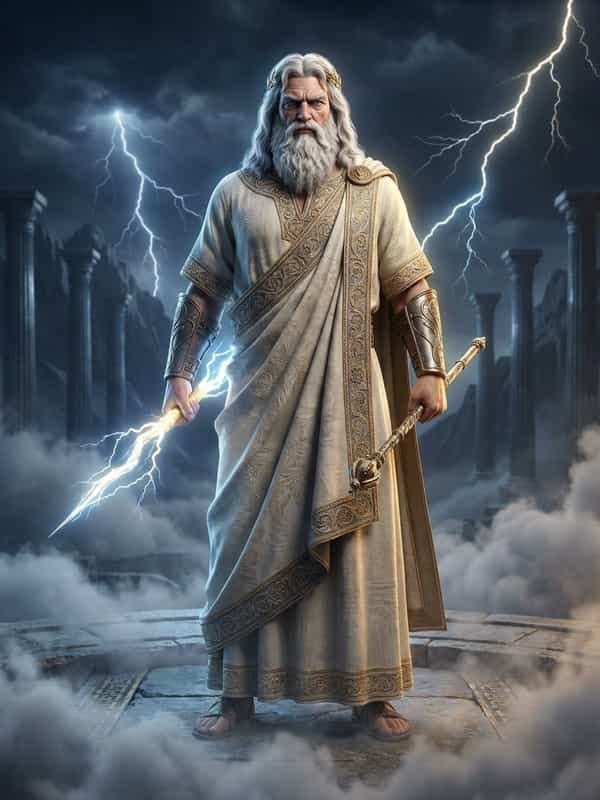
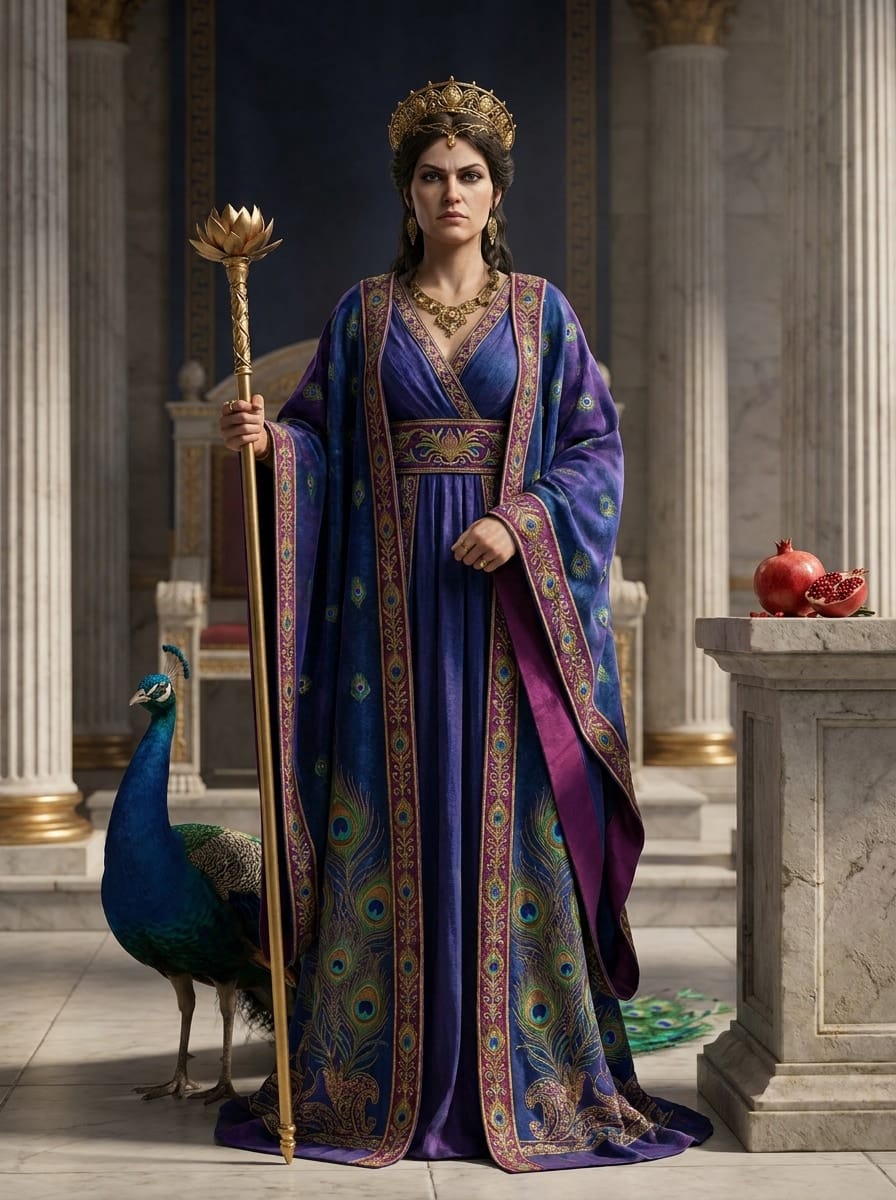
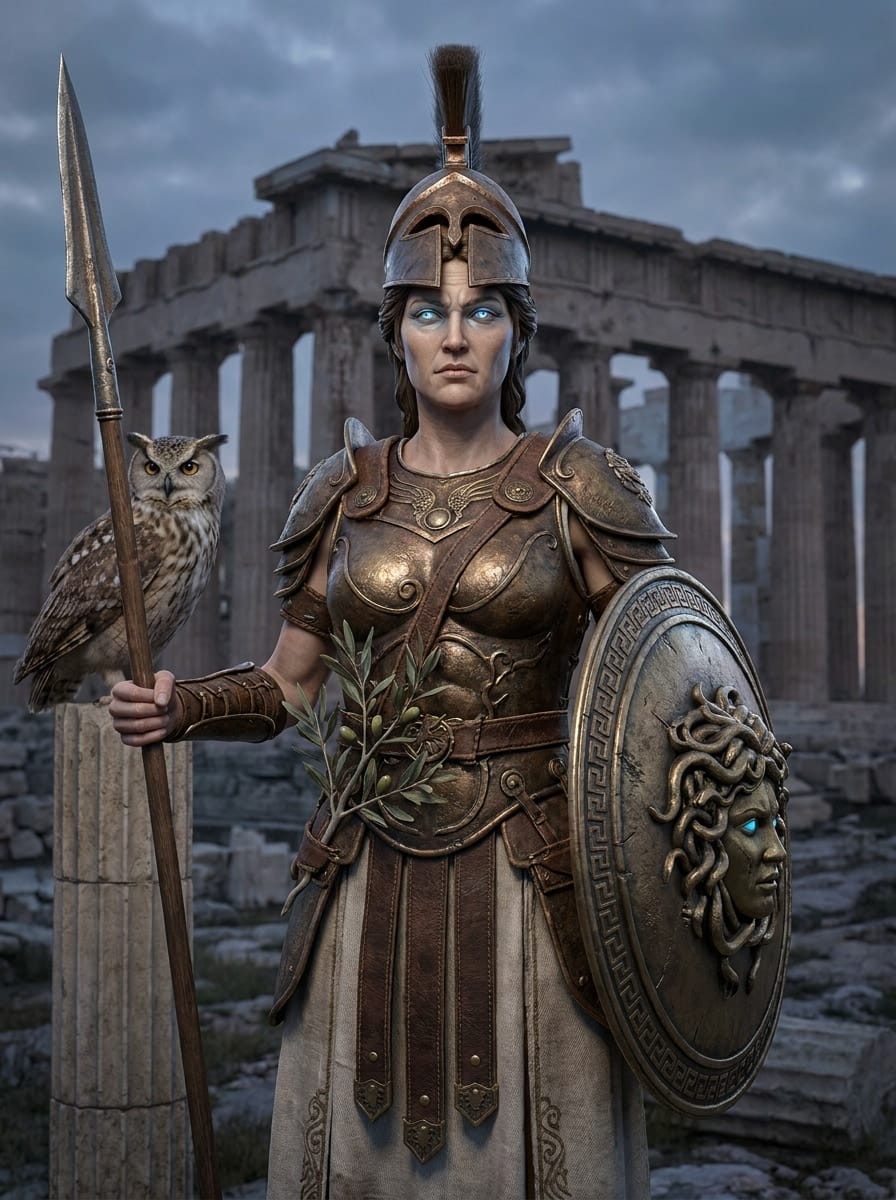
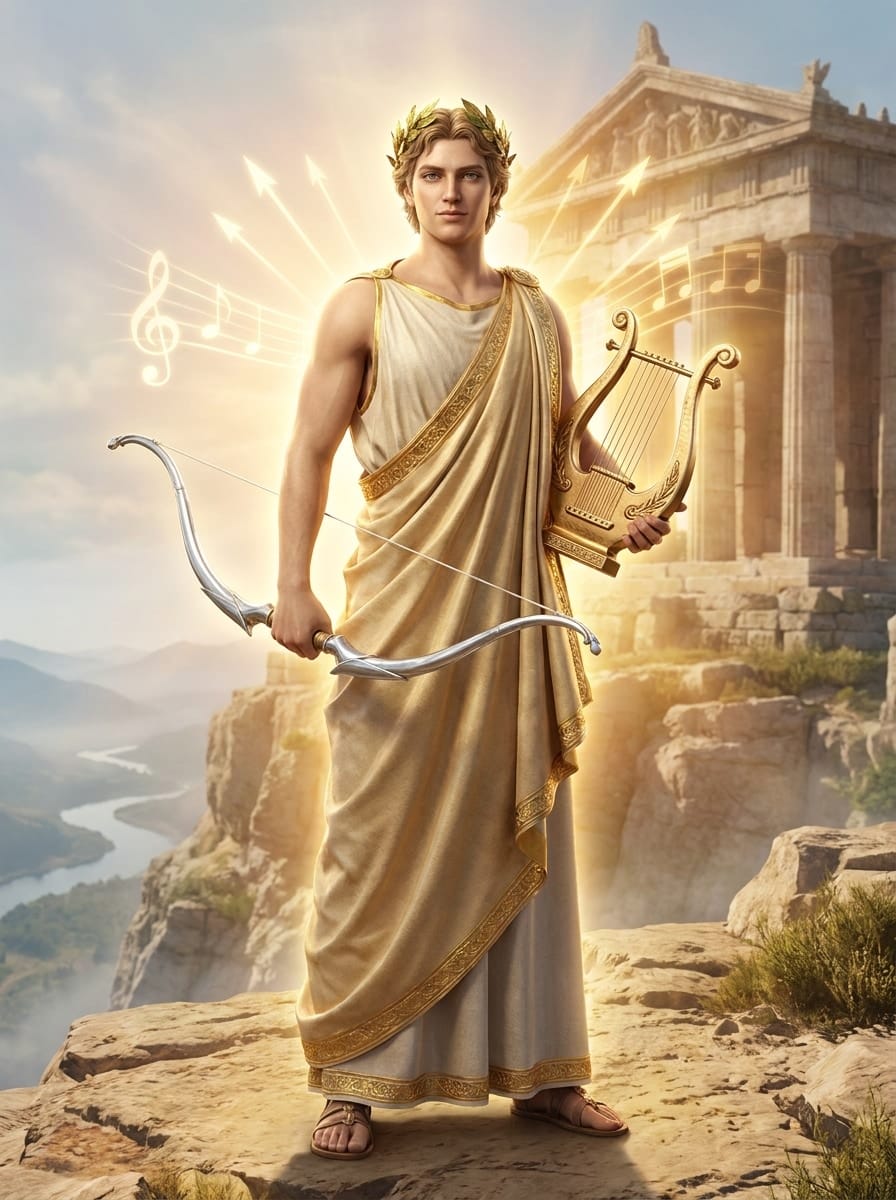
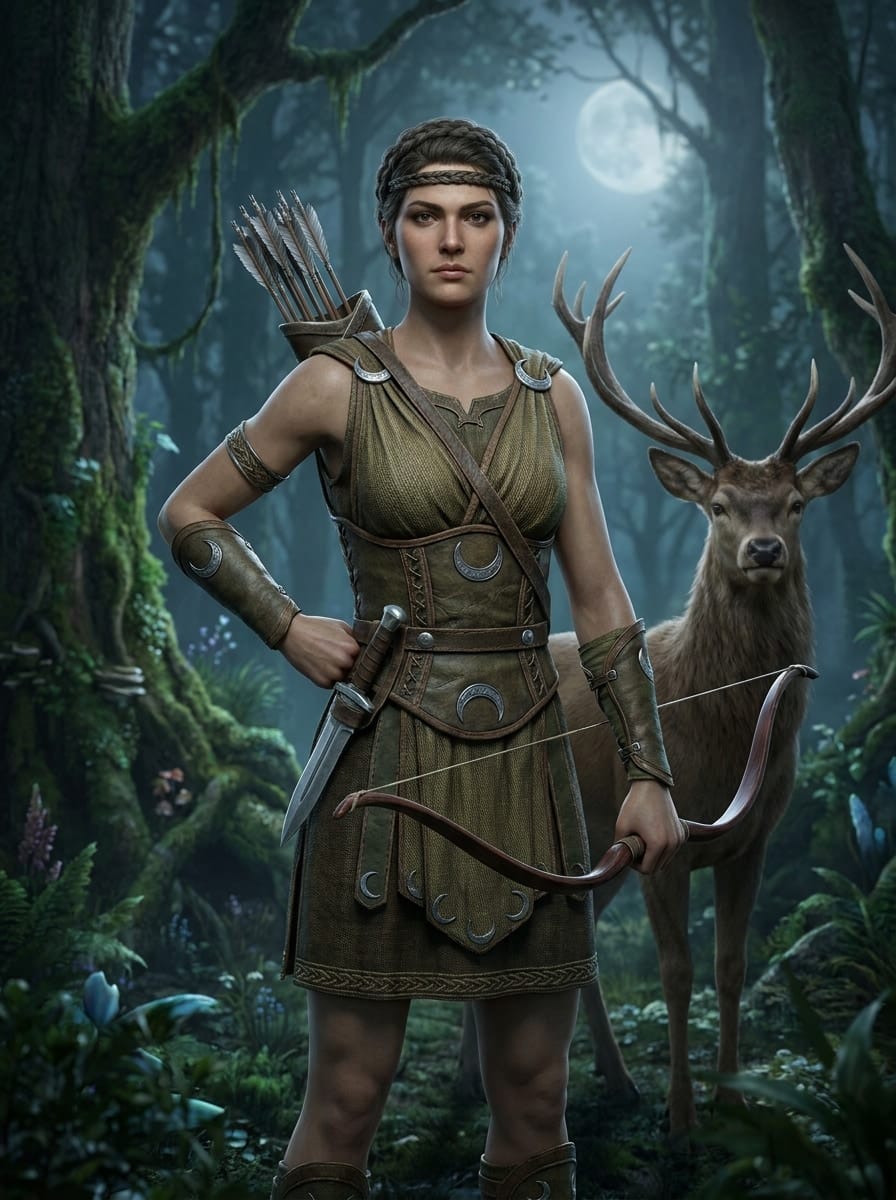
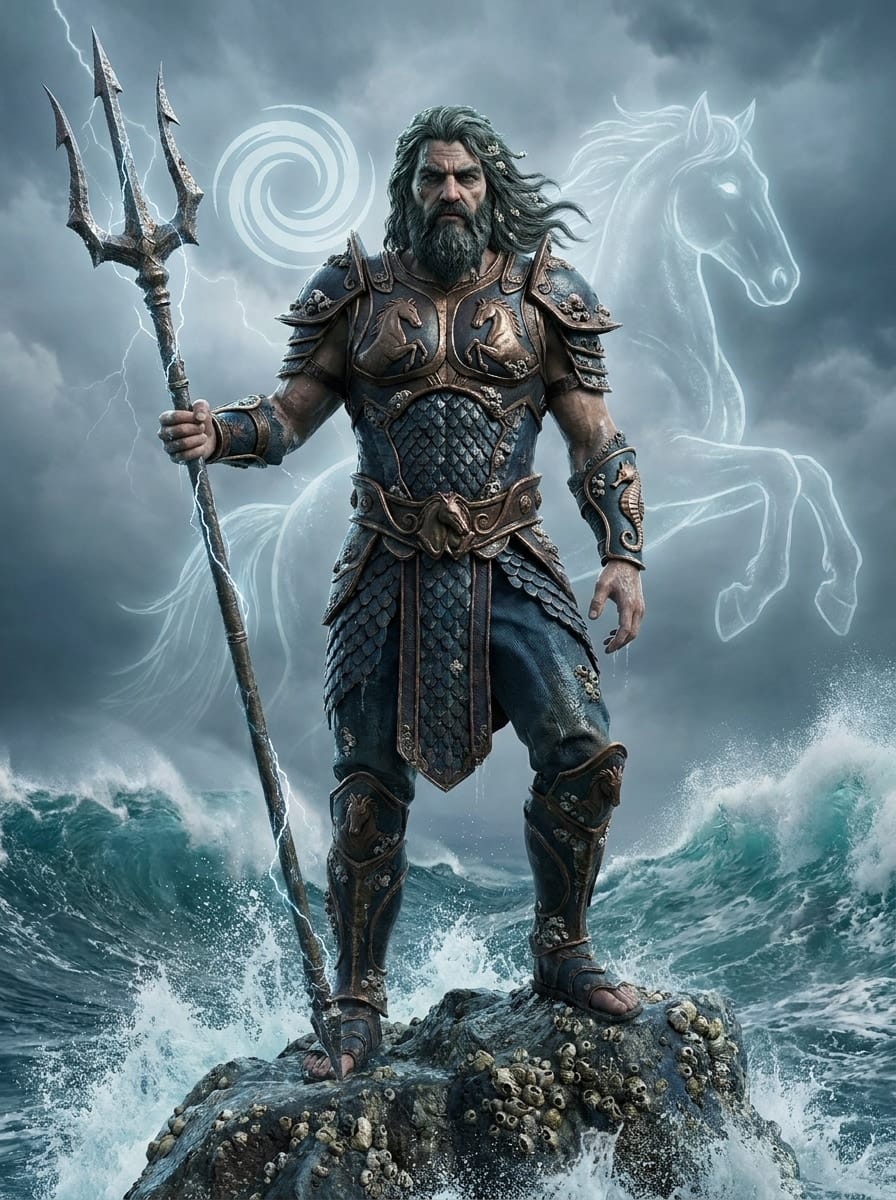
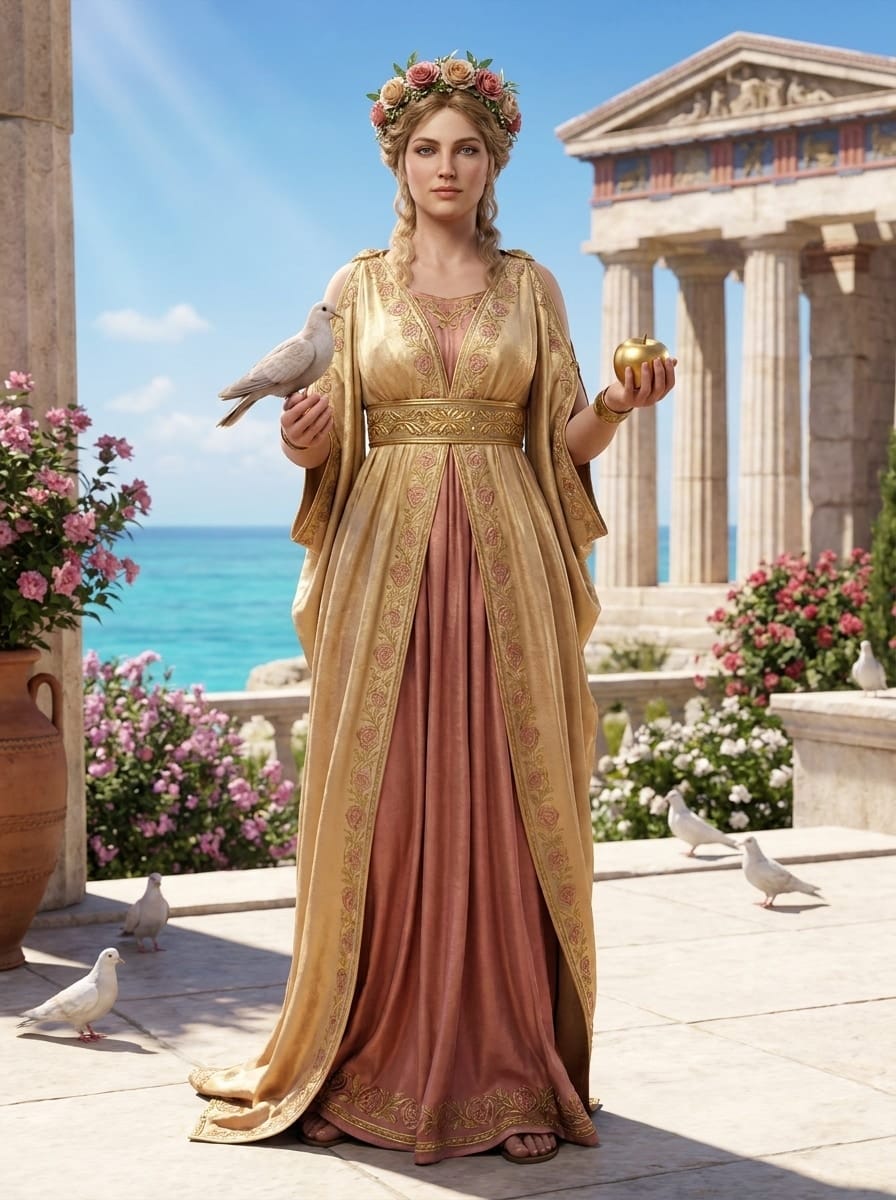
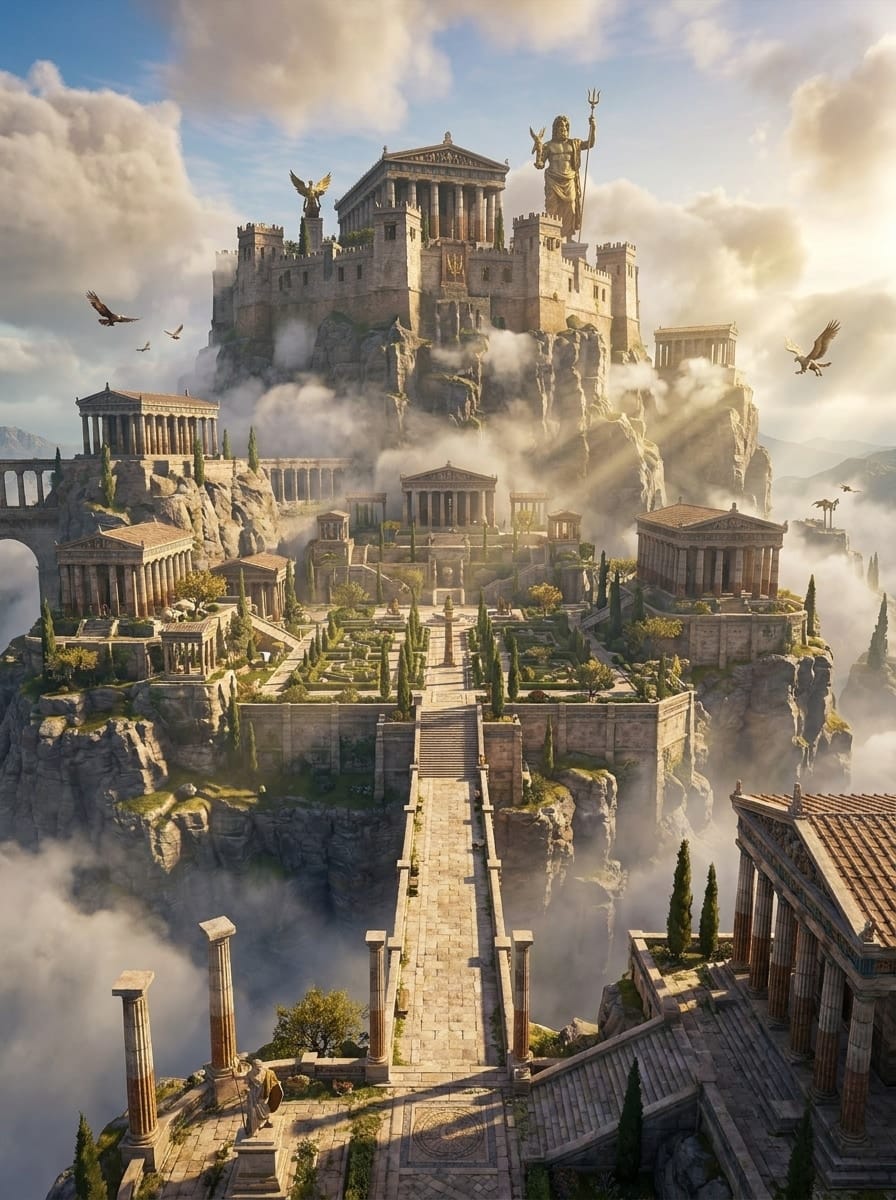
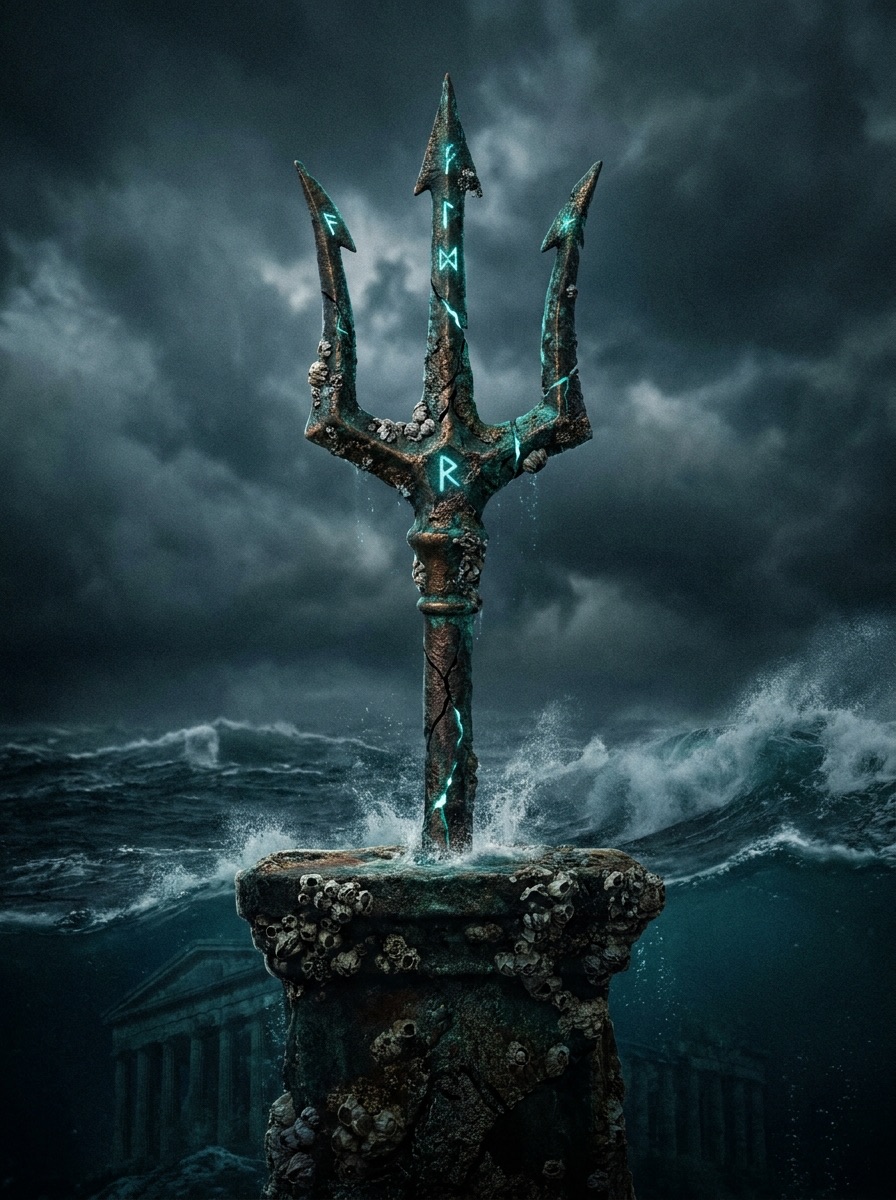
At its heart lies a well-ordered divine society. Zeus presides as the king of all deities, while Hera, Athena, Apollo, Artemis, Poseidon, Demeter, Aphrodite, Ares, Hephaestus, Hermes, Hestia and Dionysus each wield dominion over vital spheres of nature, society, craft, desire, wisdom, warfare and ritual. Though immortal, these gods are no distant, abstract entities. They love and rival one another, mete out punishment and grant protection, and constantly meddle in the affairs of mortals.
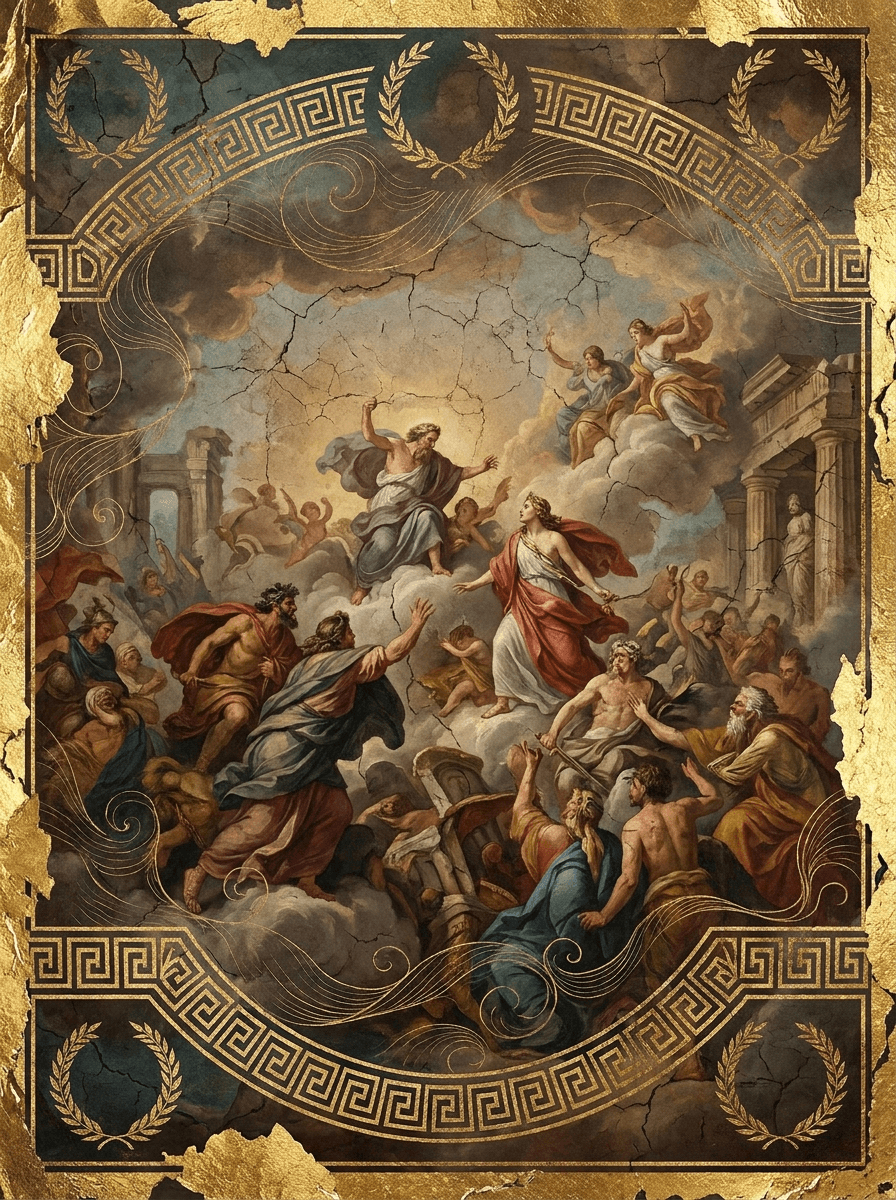
Greek mythology also preserves some of the most enduring heroic traditions in world literature. The labors of Heracles, the voyage of Jason and the Argonauts, the Trojan War, and Odysseus’ long journey home from Troy all delve into courage, fate, honor, wit, vengeance, and the limits of mortal glory. Heroes stand perpetually between human frailty and divine omnipotence; even as they attain greatness, they remain vulnerable to hubris, sorrow and misfortune.
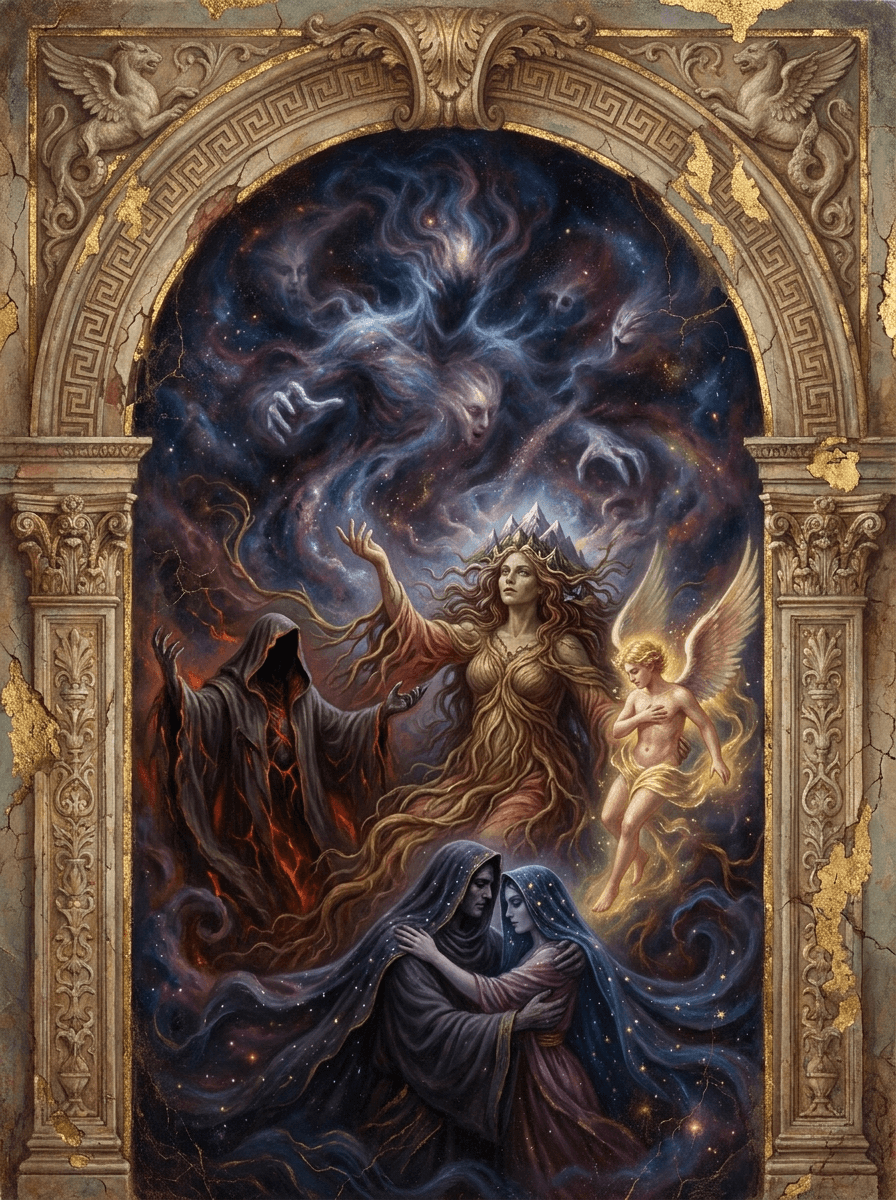
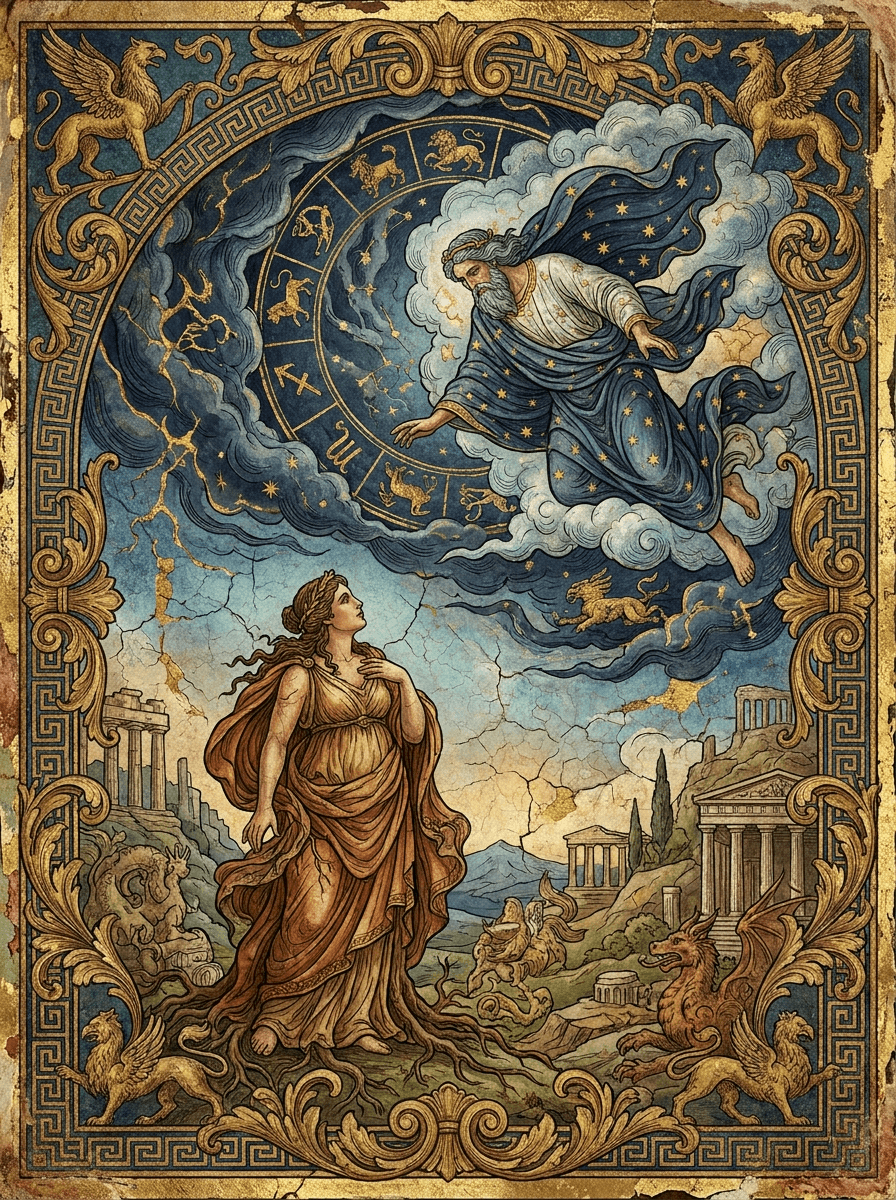
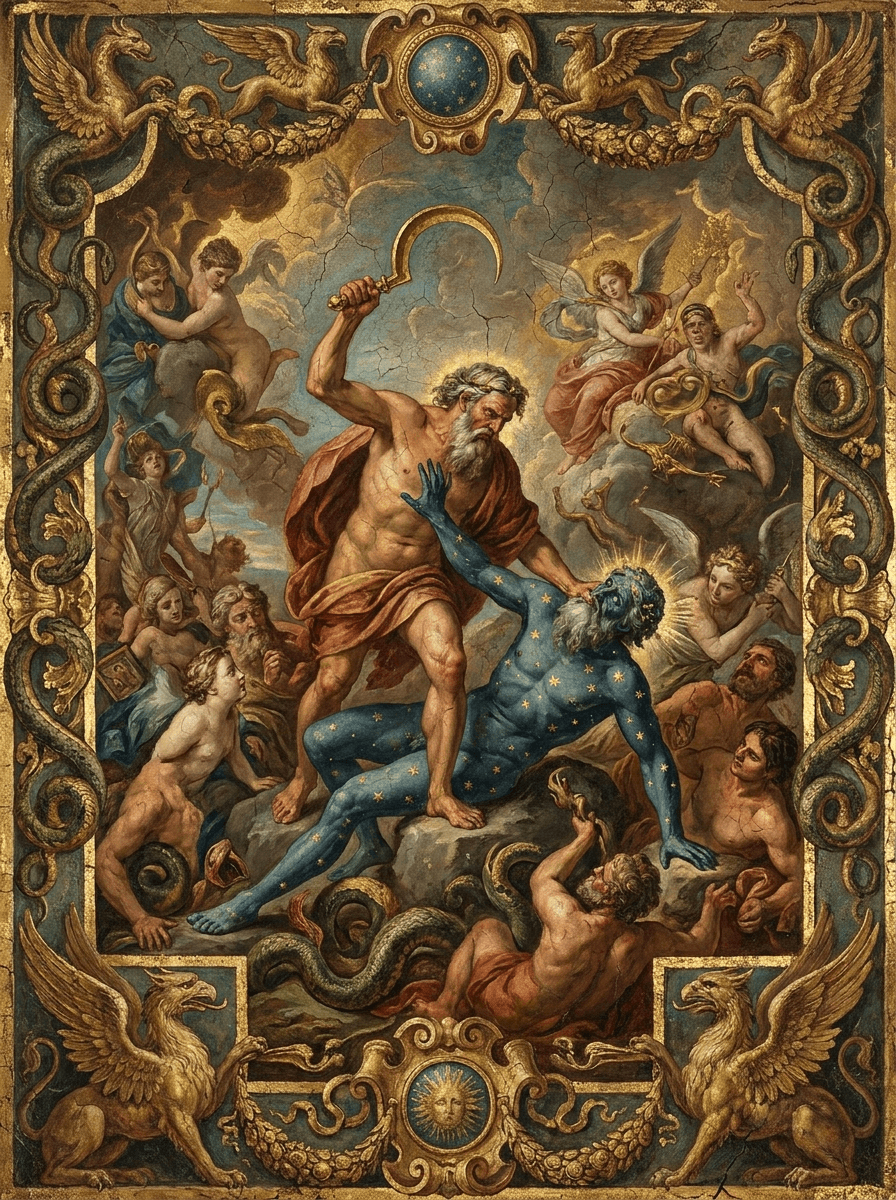
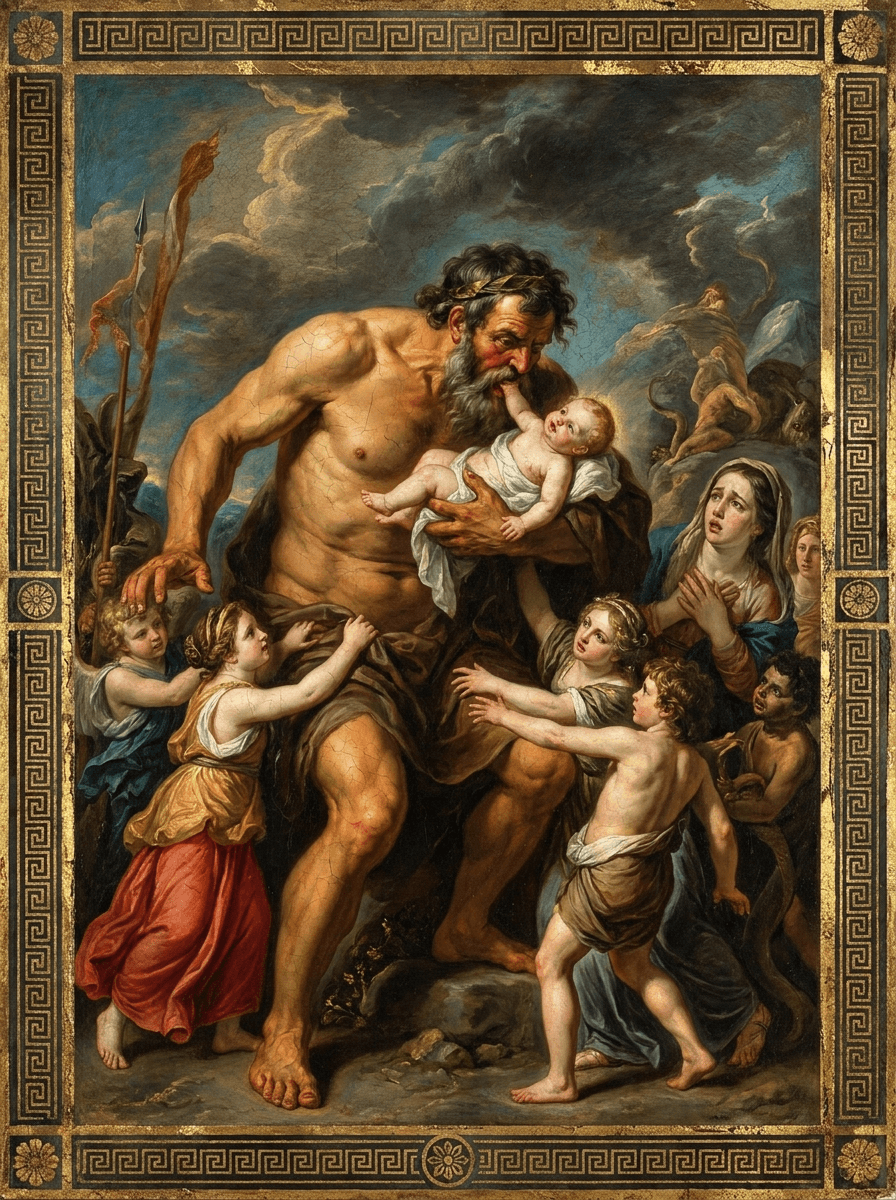
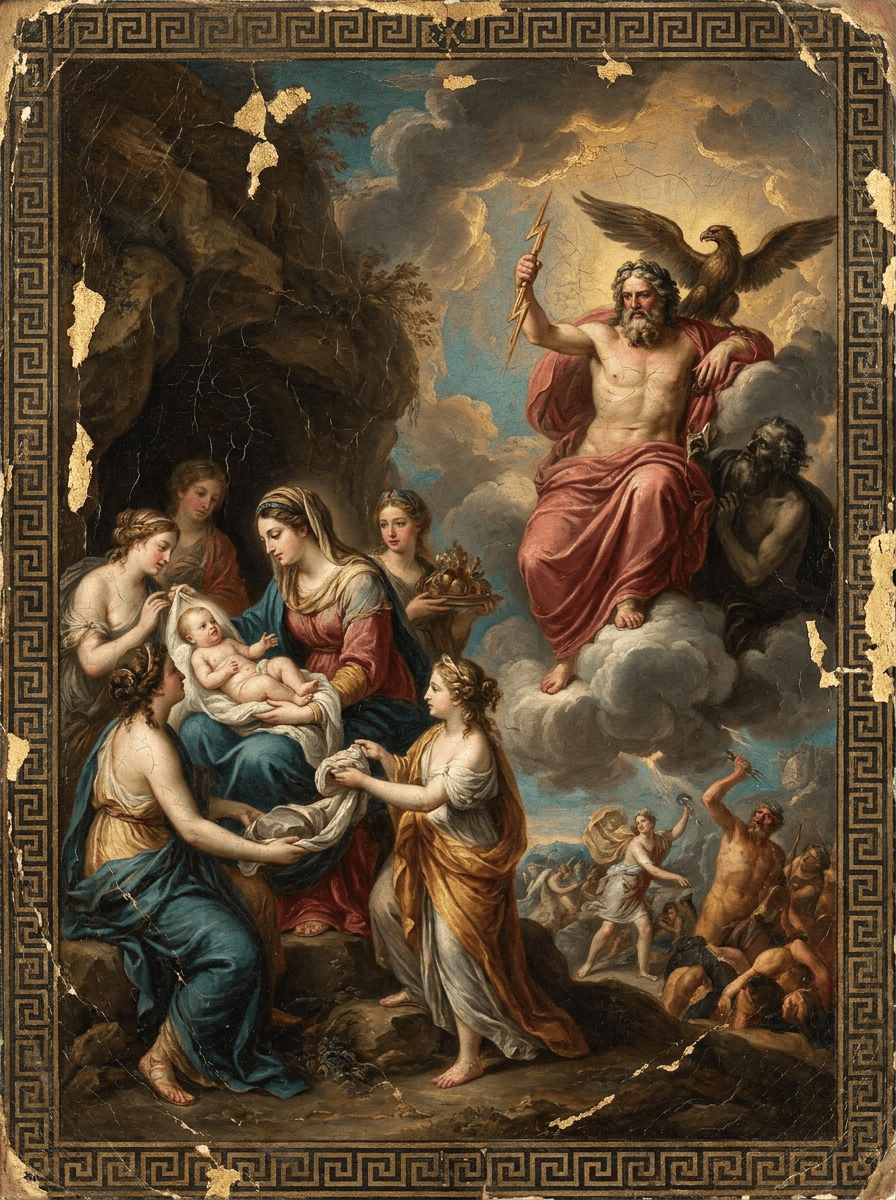
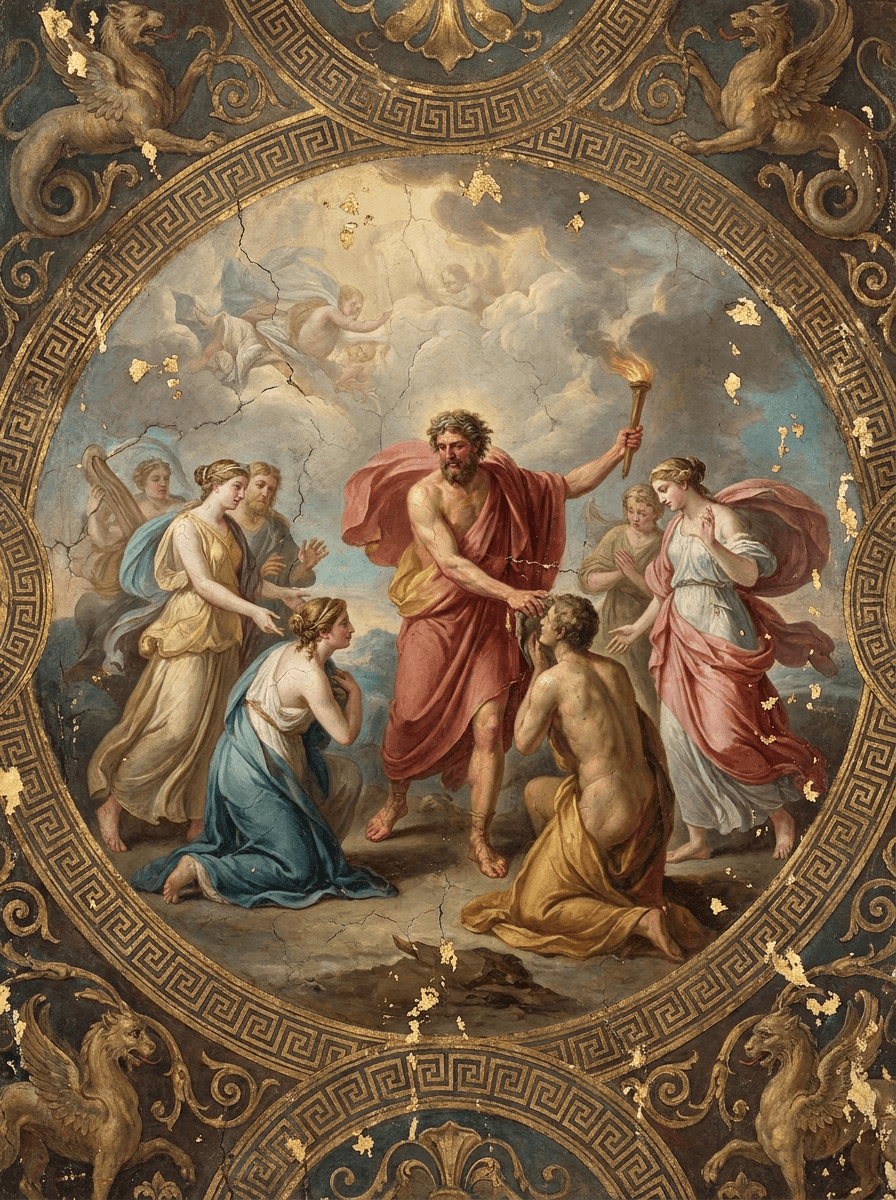
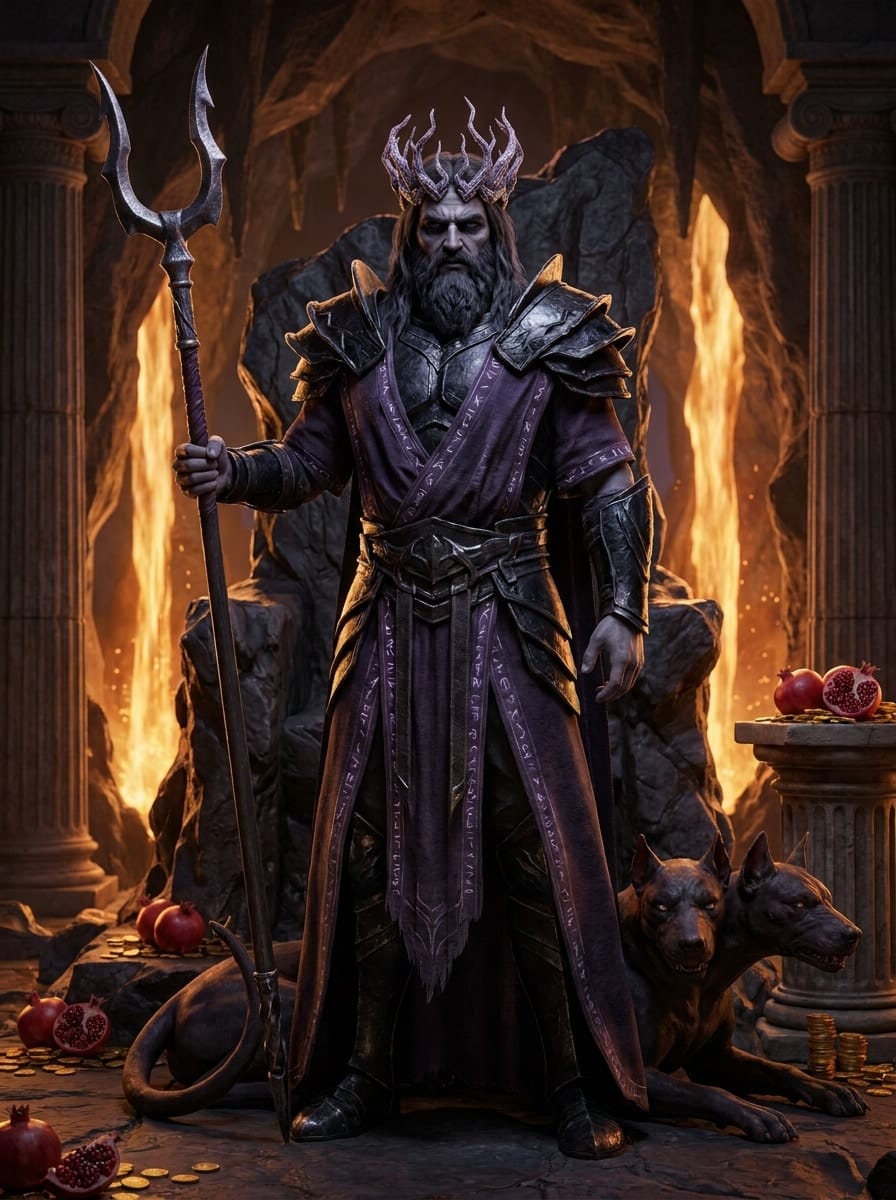
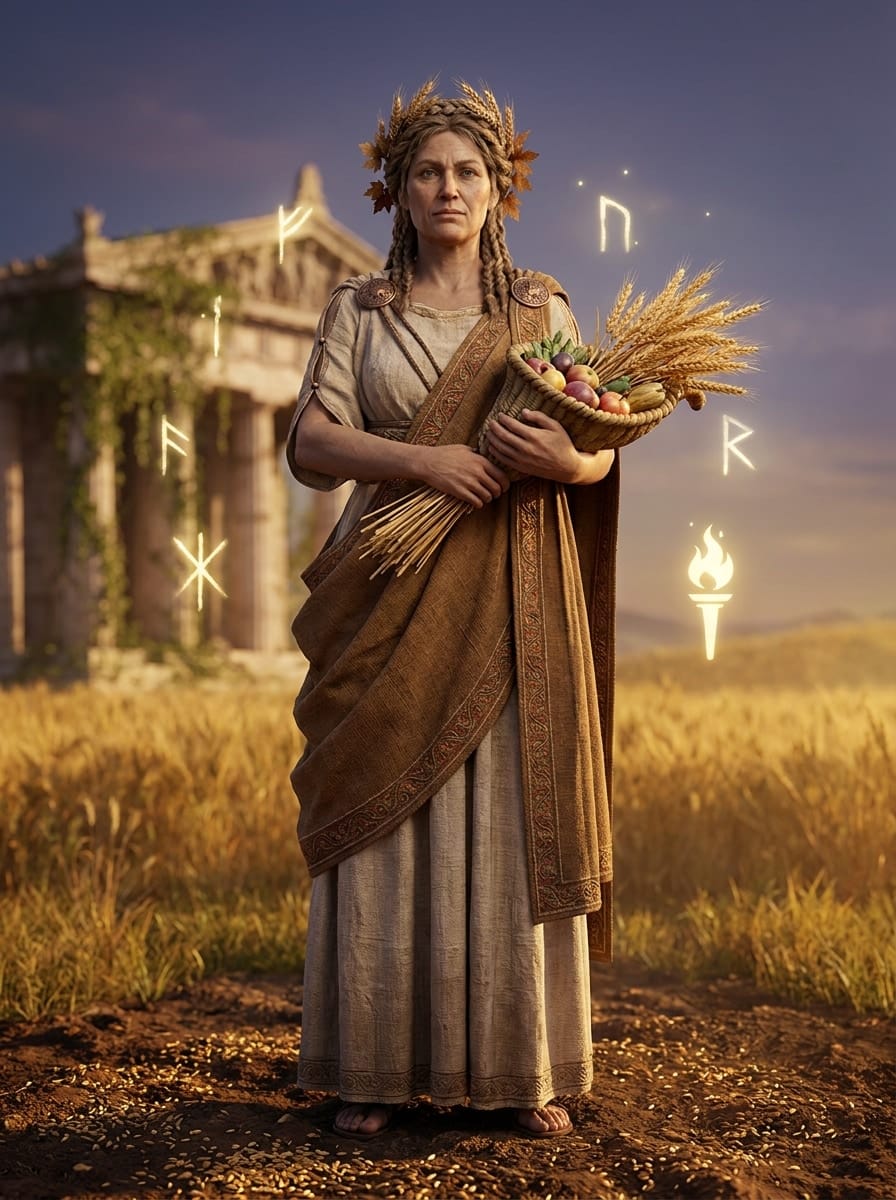
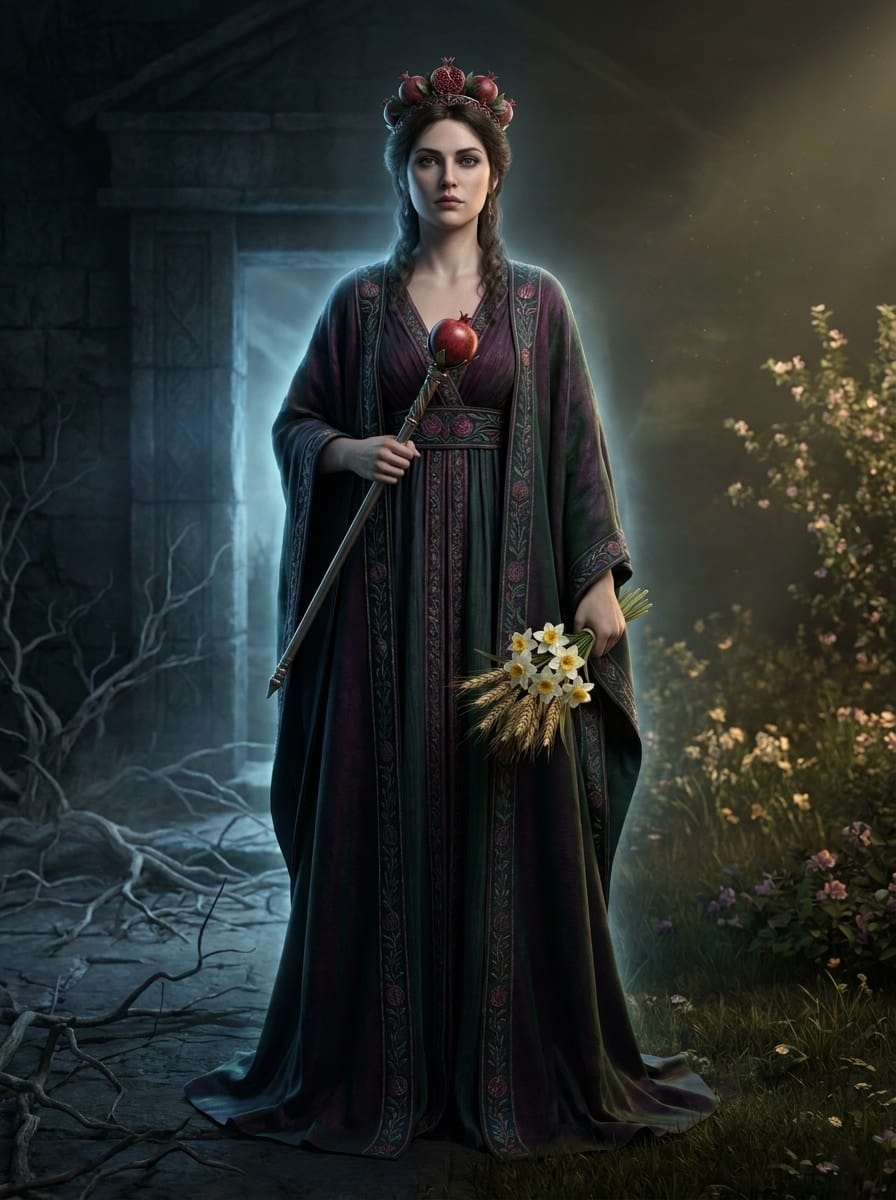
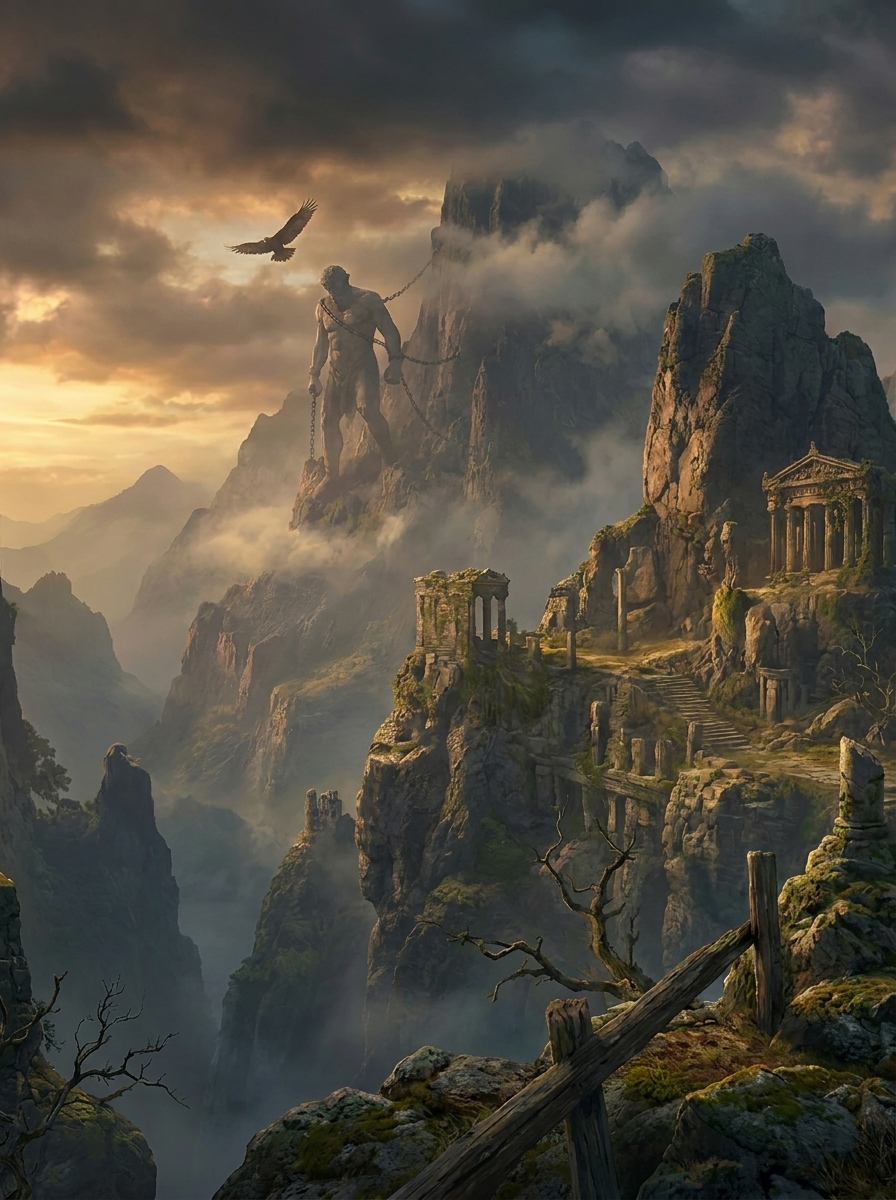
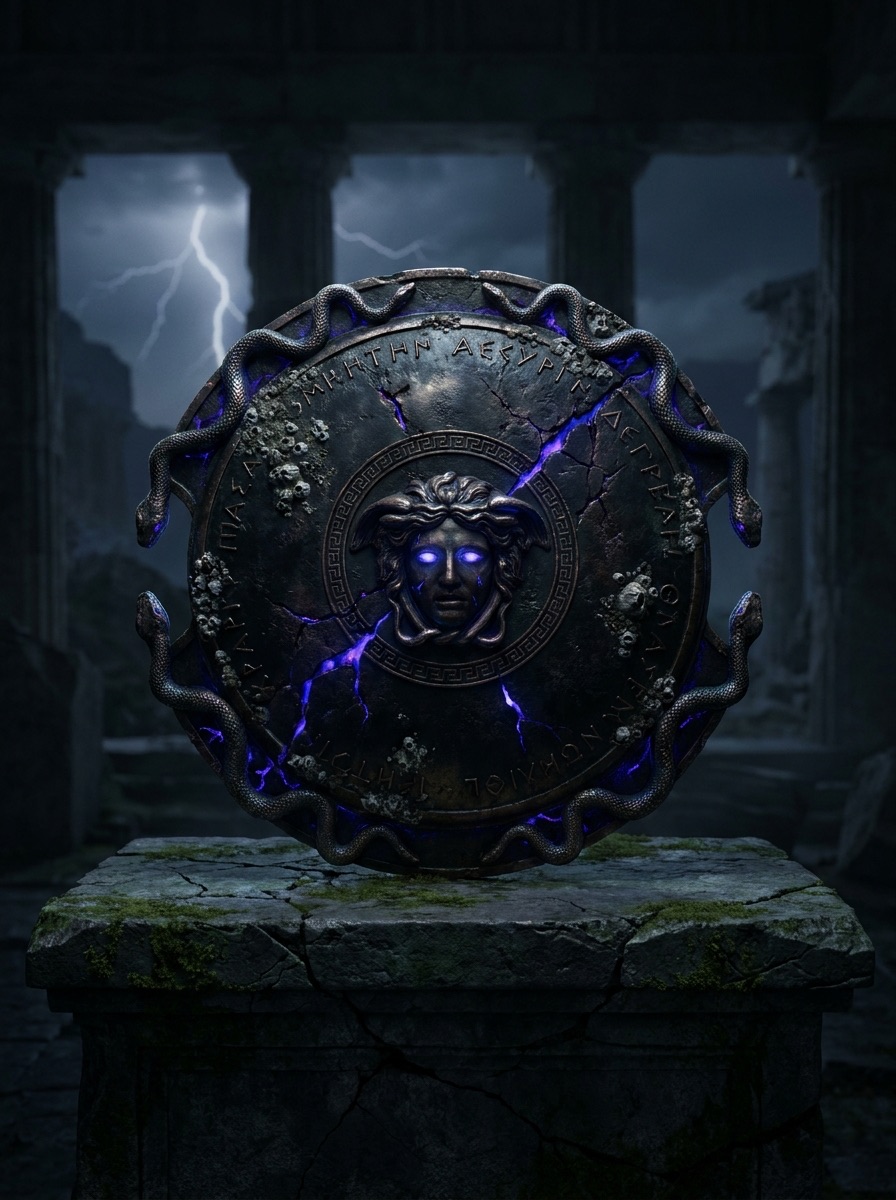
Equally profound are the myths of origin and cosmic succession. The tales of Gaia, Uranus, Cronus and the rise of Zeus chronicle the transition of cosmic rule and the establishment of universal order. The myth of Persephone and Demeter explains the cycle of the seasons; Prometheus and Pandora lay bare the eternal tension between human progress and divine retribution. Figures such as Orpheus, Narcissus, Medusa and countless others embody the ancient Greeks’ profound fascination and contemplation of beauty, desire, loss, transience, and the threshold between life and death.
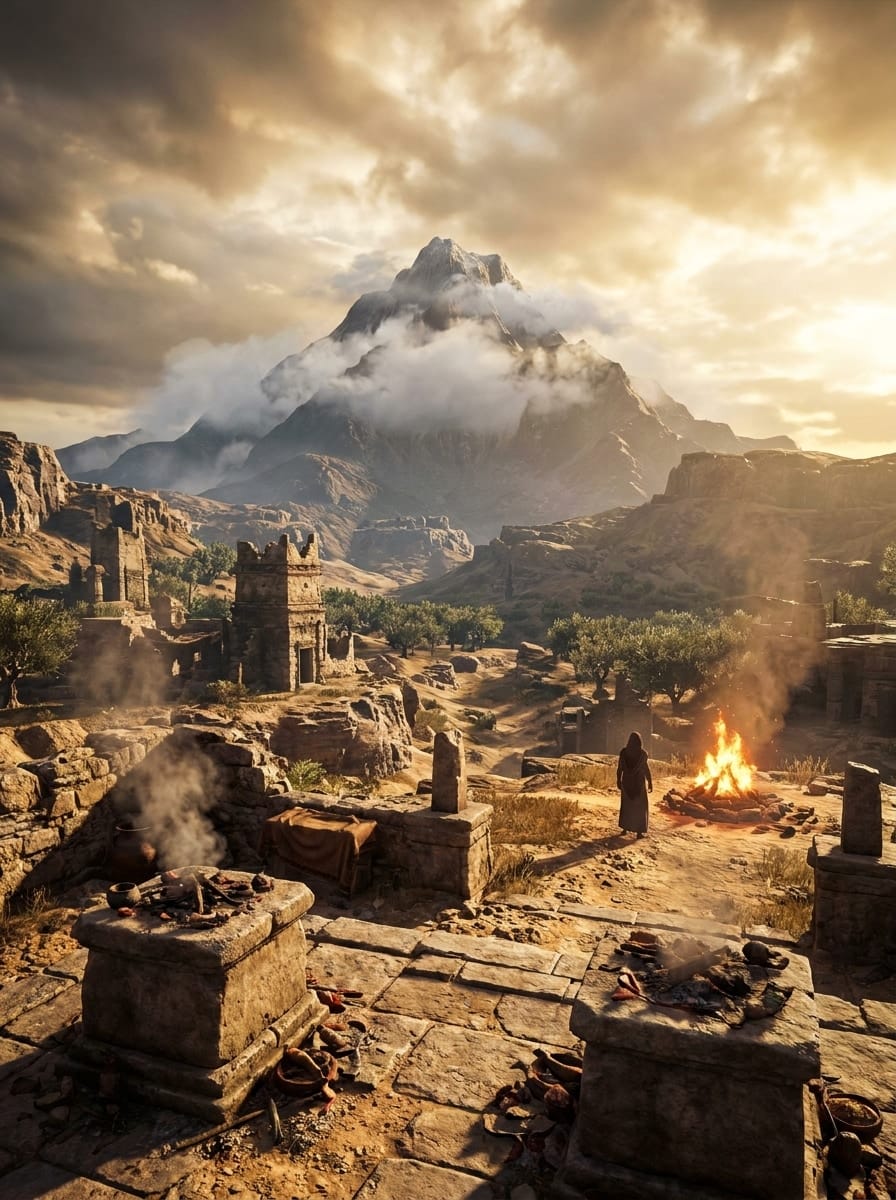
Greek mythology has never been a rigid, singular canon. Poets, local cult traditions, playwrights and later authors have preserved and reimagined countless versions of the same tales. Yet these myths together form an interconnected realm of imagination, shaped by ritual observances, regional customs, epics, tragedies and philosophical reflection. Its timeless influence resonates deeply across literature, art, politics, psychology and popular culture.
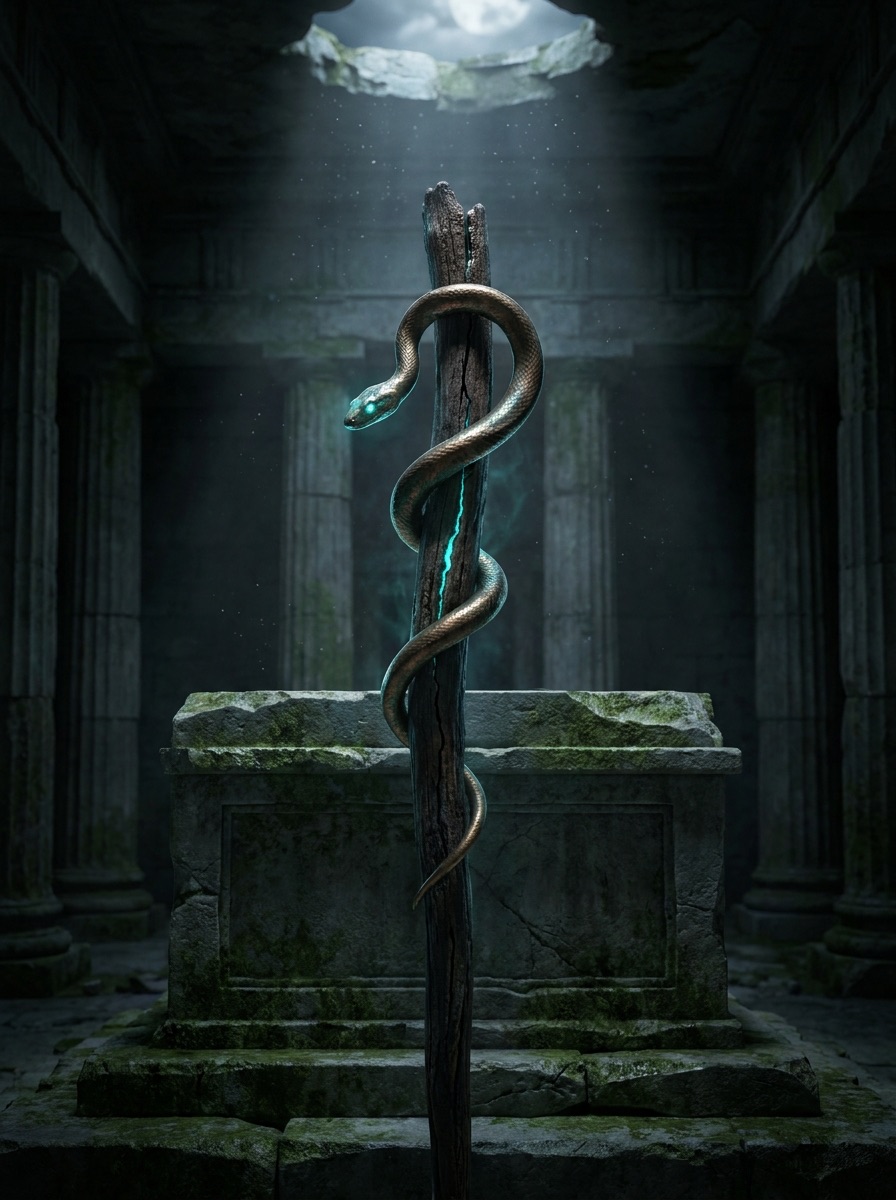
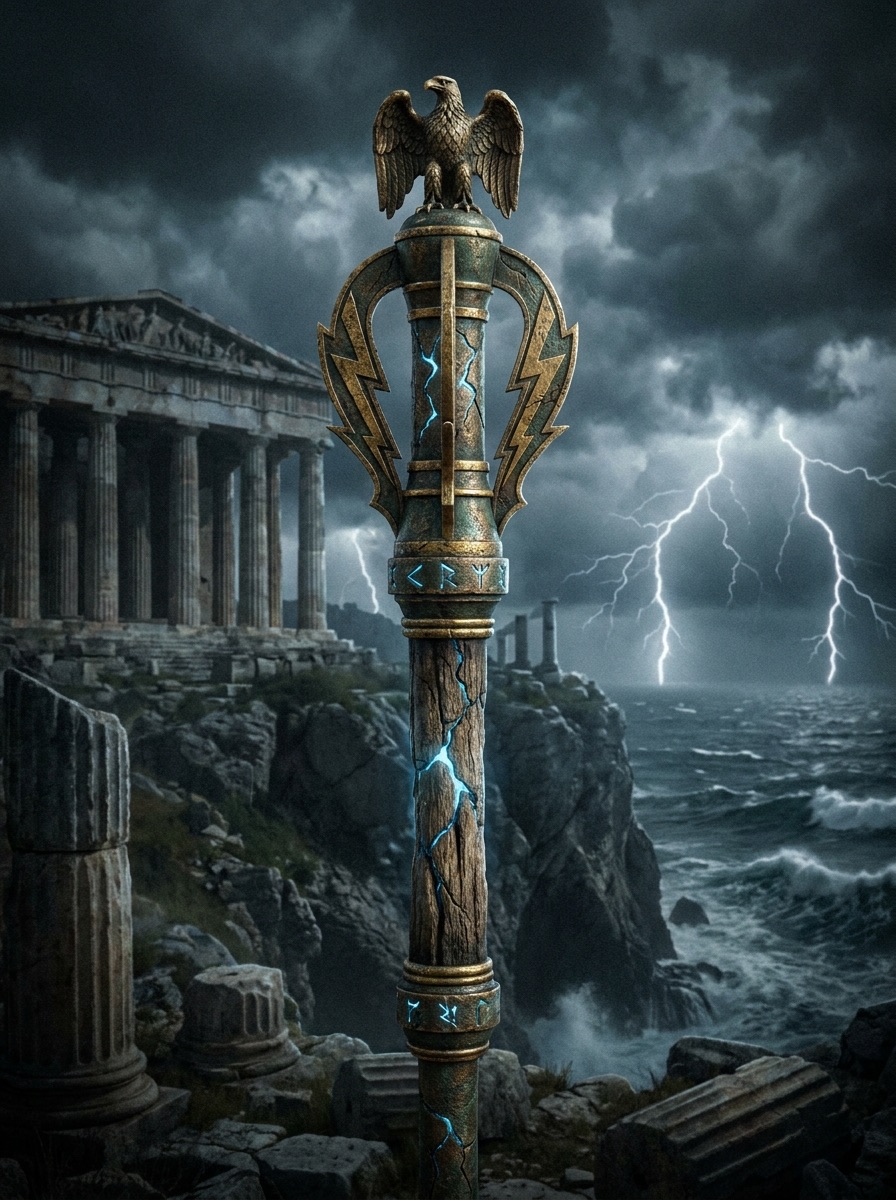
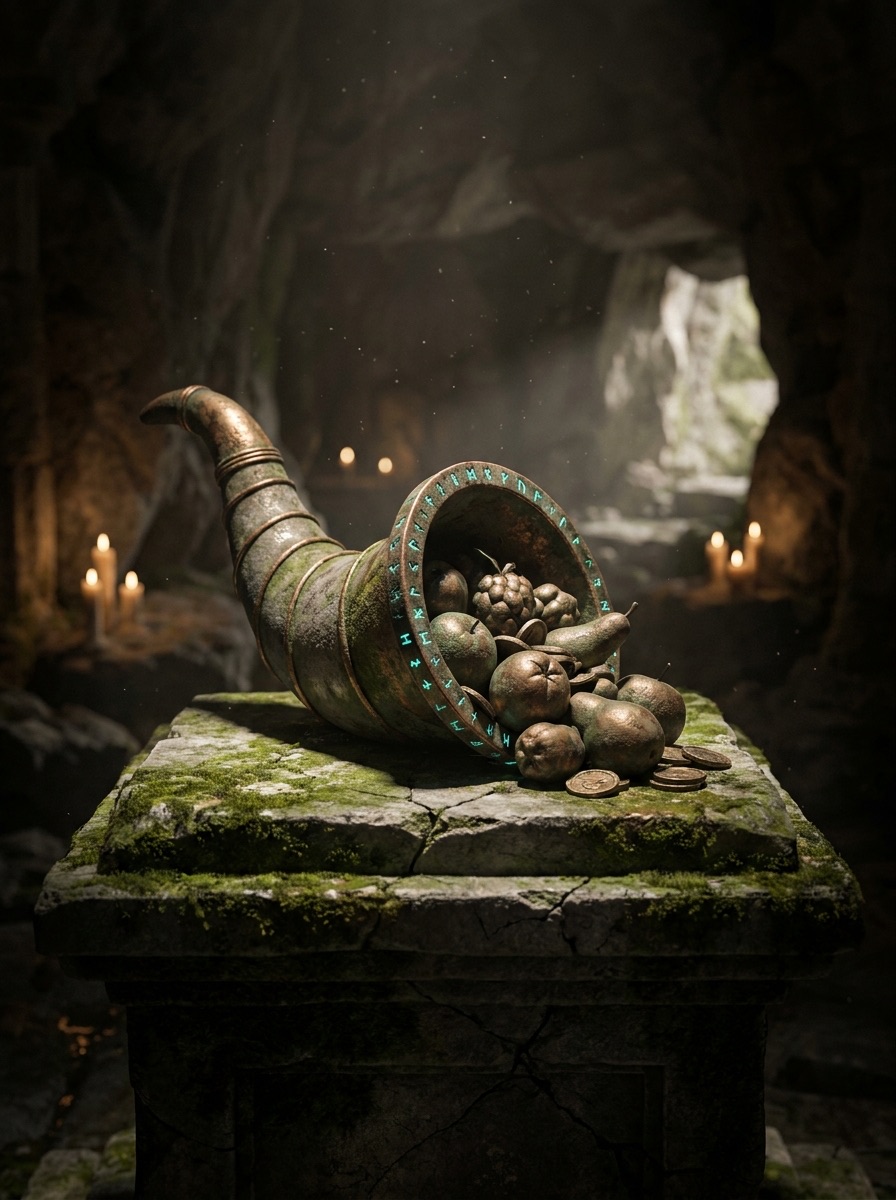
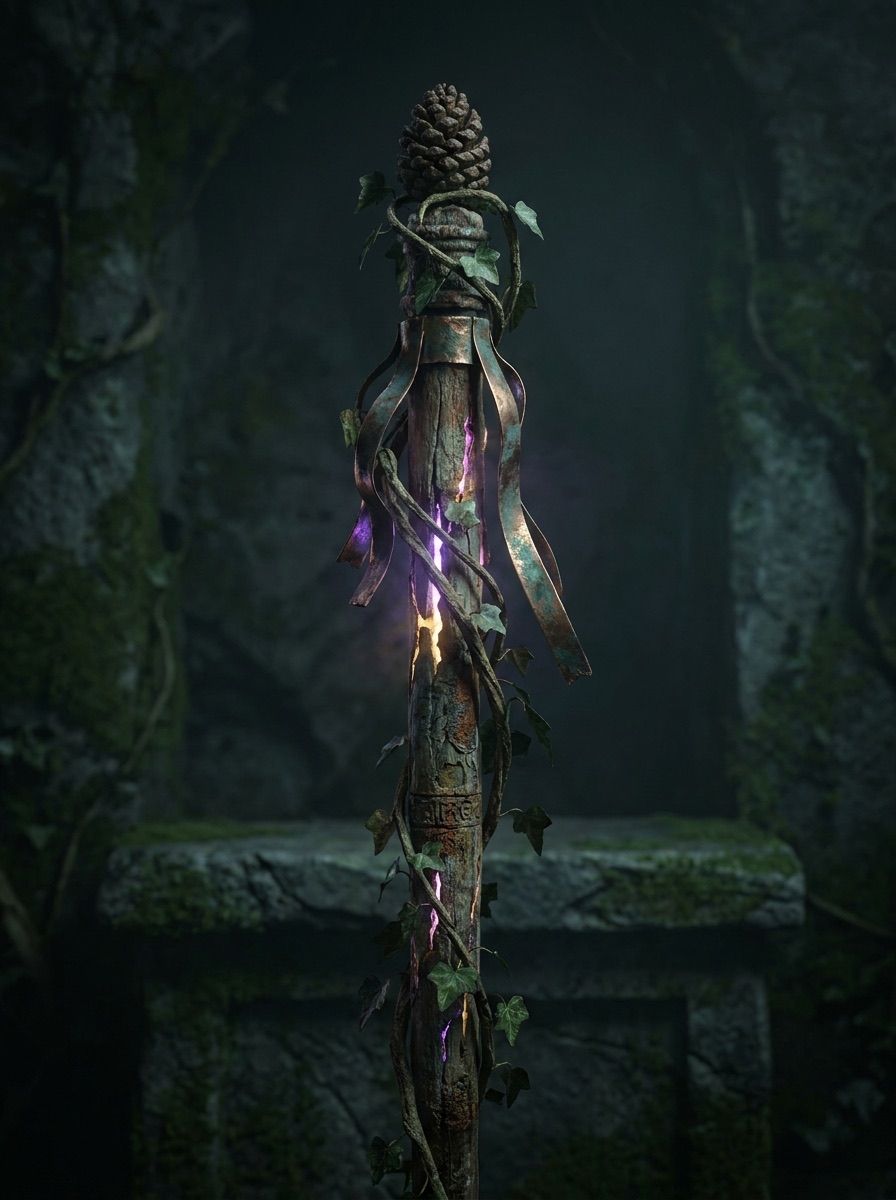
Within Mythology Stories, Greek mythology is presented as an integrated traditional mythic system: a vast intertwined tapestry of gods, heroes, monsters, sacred locales and legendary artifacts. Together, they mirror how the ancient Greeks comprehended divine order, human excellence, suffering, memory and destiny.