Greek Mythology
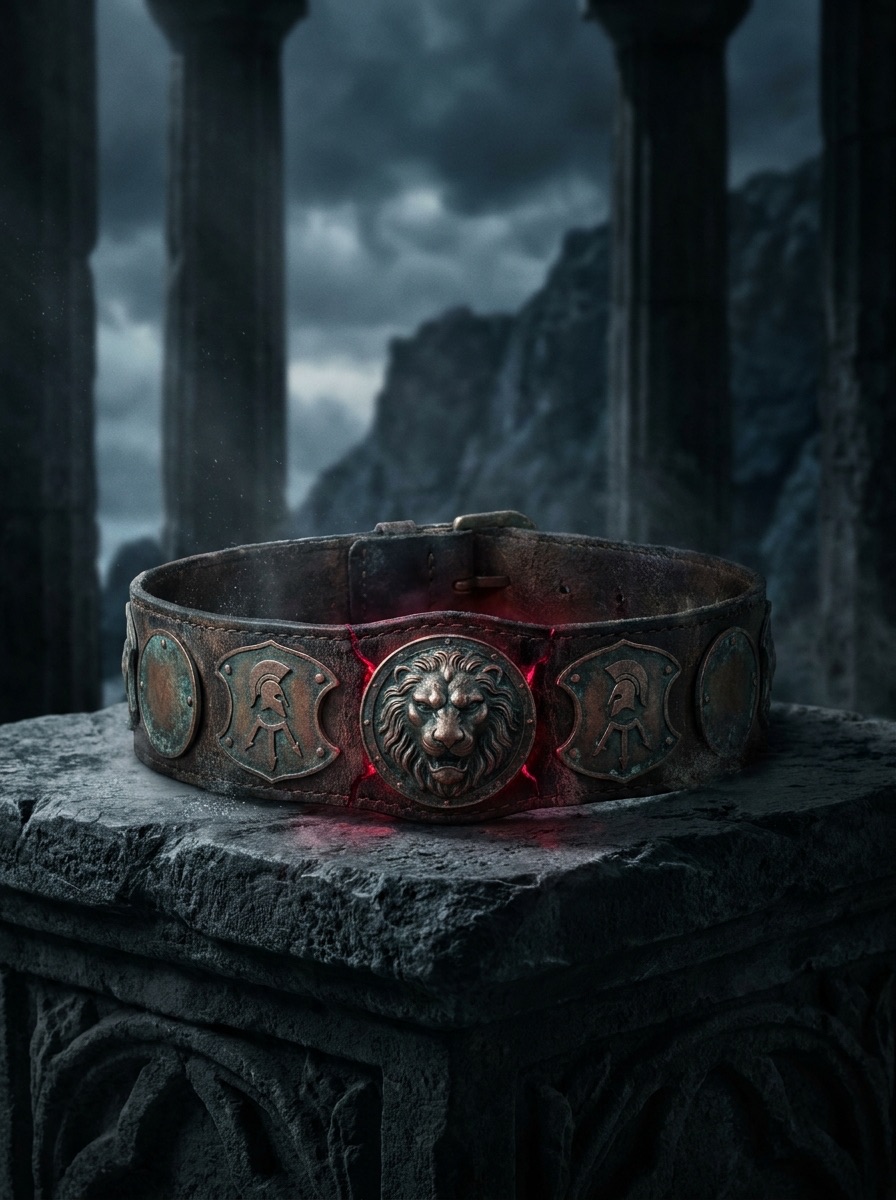
Belt of Hippolyta — Greek Mythology
The Belt of Hippolyta is a token of royal authority held by Hippolyta, queen of the Amazons, in Greek mythology. Tradition says it was given to her by the war god Ares and symbolized her prestige among the women warriors. It became an important relic among the Twelve Labors when Eurystheus ordered Heracles to seize it.
Origin Story
The belt’s origin is usually traced to the war god Ares. In common tradition, Ares gave it to Hippolyta, queen of the Amazons, making it an outward sign of queenly identity and warrior prestige. The story does not describe the belt’s maker, material, or original investiture ceremony in detail; it emphasizes only its status as a divinely given token. Its first major appearance is when Heracles, on Eurystheus’ command, goes to the land of the Amazons to bring it back as the result of his labor.
Powers
The Belt of Hippolyta is not clearly shown to have direct magical, protective, or offensive powers. Its power lies mainly in symbolic and political meaning: it displays the Amazon queen’s right to rule, gathers the loyalty of the women warriors, and carries the authority of Ares’ approval. In the labors of Heracles, it is also a mission relic that must be seized and presented.
Article
Object identity
The Belt of Hippolyta is not an ordinary ornament, but the emblematic girdle of the Amazon queen. In common tradition, it comes from the war god Ares and represents the queen’s command status and warrior honor. The belt is closely connected with Amazon military society and is often seen as a symbol of kingship, martial courage, and divinely granted authority.
Bearer and transfer
The belt was originally held by Hippolyta. Admete, daughter of Eurystheus, wanted the belt, so Eurystheus ordered Heracles to travel to the land of the Amazons and bring it back. After Heracles reached the mouth of the Thermodon River, Hippolyta was at first willing to hand over the belt and let him complete the labor. Hera then took the form of an Amazon and spread rumors, provoking conflict between the women warriors and the Greeks. Heracles mistakenly believed that Hippolyta had set a trap, killed her in the fighting, took the belt, and eventually presented it to Eurystheus.
Variant accounts and reliability
The Belt of Hippolyta clearly states that the belt was a token given by Ares to Hippolyta and the object of one of Heracles’ labors. The Cattle of Geryon says that after Heracles presented the Belt of Hippolyta, Eurystheus assigned him a new task, showing that this relic connects one labor to the next adventure.
Theseus and the Amazons preserves a different account of the relationships among the Amazons, Hippolyta, and Greek heroes, but does not develop the belt as the central object. Classical tradition contains different versions of whether Hippolyta willingly gave up the belt and whether she died in a battle caused by misunderstanding. This record follows the narrative version centered on the labors of Heracles.